10 Fast-Growing Vegetables for Raised Beds (Harvest in Under 60 Days) — Instant, Bountiful Kitchen Wins
You want fresh veggies fast from a small space, not months of waiting or endless soil work. Raised beds speed up growth and cut hassle, so you can harvest crisp greens and tender roots in under 60 days and actually use them in tonight’s meal.
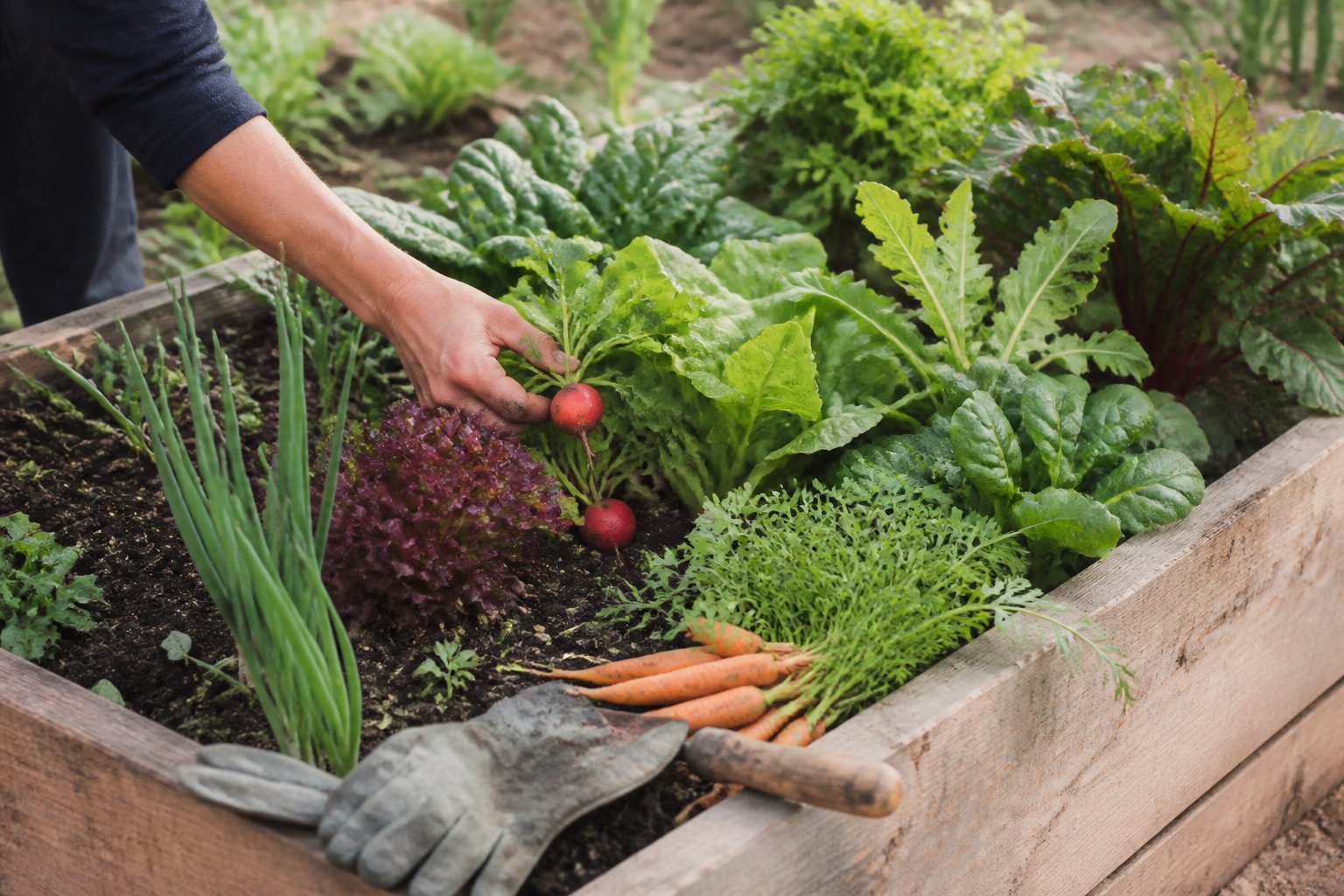
You’ll learn which ten vegetables perform best in raised beds, how to plant them for quick harvests, and the simple mistakes to avoid so you get consistent, tasty results. Expect clear tips on timing, bed setup, and pest basics so you turn empty beds into steady kitchen wins without guesswork.
1) Radishes
Intent: quick tutorial to grow crisp radishes in raised beds.
Radishes are one of the fastest wins you can get — many varieties mature in 25–35 days. Plant seed in cool soil, 1/2 inch deep, and thin to 1–2 inches so bulbs don’t crowd and stay crisp.
Raised beds warm faster and drain well, which speeds growth and reduces rot. Water evenly; uneven moisture makes roots pithy or split. A common mistake is letting seedlings sit too close — you’ll get skinny roots instead of the round, crunchy bulbs you want.
Try French Breakfast or Cherry Belle for reliable results. Pull a few every week to keep space open and get continuous harvests. If pests nibble leaves, use row covers early and check soil fertility before adding more fertilizer.
2) Leaf Lettuce (e.g., ‘Black Seeded Simpson’)
Guide: plant quick lettuce for steady salad greens in under 60 days. Leaf lettuce like Black Seeded Simpson grows fast and keeps producing when you harvest outer leaves.
Sow seeds thinly in raised beds or containers and keep soil evenly moist. Thin to 4–6 inches so inner leaves get light; crowded plants bolt faster.
You can harvest small leaves in about 30 days or pick outer leaves over the season for continuous yields. Black Seeded Simpson stays tender in partial shade and resists heat better than some heads.
Watch for common mistakes: overfertilizing makes bitter leaves, and letting plants crowd causes disease. Try sowing every 2–3 weeks for fresh greens all summer. For growing details and timing, see a practical Black Seeded Simpson guide.
3) Baby Spinach
Grow baby spinach as a quick salad crop — you can harvest leaves in 25–40 days. Sow thin rows or broadcast seed in your raised bed and thin to 2–3 inches so young leaves get light and air.
Keep soil moist and rich in compost; spinach hates dry roots and hot stress. Plant early spring or fall to avoid bolting, and use light shade in hot climates to extend harvests.
Common mistake: letting seedlings crowd. Crowded plants turn leggy and bitter. Pick outer leaves often to encourage steady regrowth and more tender greens.
If slugs or flea beetles bother you, handpick pests or use row cover for a week after germination. Try a small succession every 10–14 days for continuous kitchen-ready spinach.
4) Arugula
Intent: quick-grow guide for fresh salad leaves.
Arugula gives fast flavor and big rewards in small raised beds. Sow thin rows or scatter seeds; you can harvest baby leaves in about 20–25 days and full leaves soon after.
Keep soil moist and feed lightly; dry soil makes leaves bitter. Pinch outer leaves first to keep the plant producing, and harvest in the morning for best crunch and peppery taste.
Watch for bolting in warm weather — move trays to partial shade or sow successive batches every 2–3 weeks. A common mistake is letting plants crowd; thin to 4–6 inches to avoid legginess and disease.
Try a mix of wild arugula with milder types for variety. Taste test a few leaves each week and use the crop in salads, sandwiches, or quick sautés.
5) Green Beans (bush varieties)
Guide: grow quick, pick often, eat fresh.
Bush green beans mature fast—many ready in about 50–55 days—so you get steady harvests without trellises. Plant seeds 1–2 inches deep, 2–4 inches apart, in well-drained raised bed soil. Keep soil evenly moist the first few weeks to encourage strong roots.
Choose reliable varieties like Contender or Provider for consistent yields and disease resistance. You’ll find them compact and easy to harvest; pods form low on the plant so you don’t need to stoop much. A common mistake is planting too close; crowding reduces air flow and invites disease.
Pick pods when they’re firm and before seeds bulge for best flavor. If you miss a pick, beans get tough, so check beds every 2–3 days during peak season. Try blanching and freezing extras to save time later.
6) Swiss Chard (small-leaf varieties)
Grow small-leaf Swiss chard when you want fast, tender greens for salads and sautés. Plant seeds thinly in raised beds and begin harvesting baby leaves at about 30–40 days for quick returns.
Choose compact types to fit close spacing and containers; they tolerate light shade and cool weather. A common mistake is waiting too long to harvest — leaves get tough and bitter if you let them grow full-size.
Thin seedlings to avoid crowding and cut outer leaves, leaving the crown to regrow. If you want continuous picks, stagger sowings every 2–3 weeks through spring and fall.
For variety tips and growing notes, try trusted guides on Swiss chard varieties to match flavor and color to your kitchen.
7) Spinach-Beet Hybrid (Perpetual Spinach)
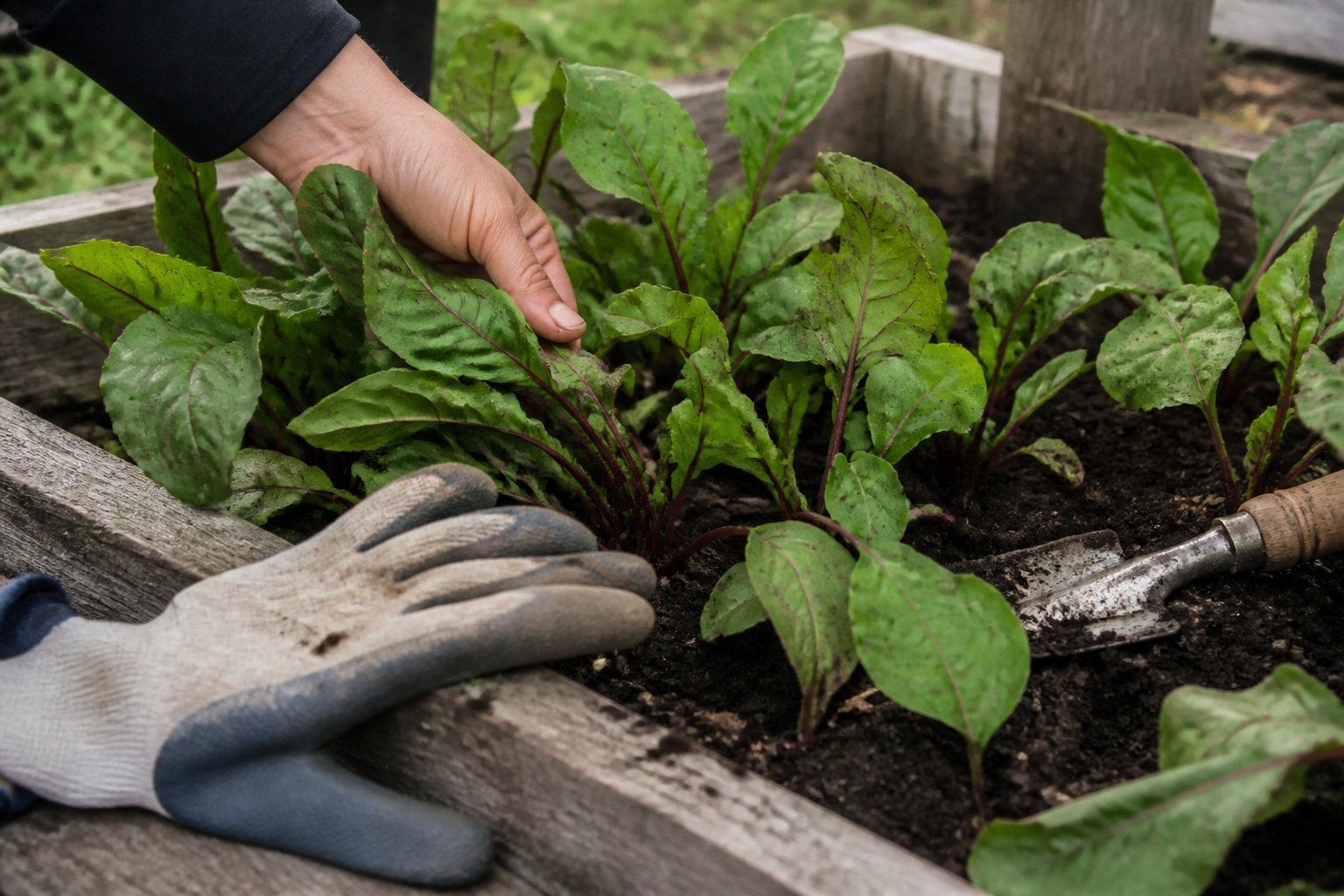
Grow this plant when you want spinach flavor with less fuss. Perpetual spinach is a chard variety that handles heat and light frost, so you can harvest leaves for many months. For seed info and timing, see this practical guide on growing perpetual spinach.
Sow directly in raised beds as soon as soil can be worked. Thin to 6–8 inches so leaves get light; crowded plants bolt faster. Pick outer leaves often—this “cut-and-come-again” habit keeps plants productive.
Common mistake: letting plants crowd or overwater them. Both invite disease and weak growth. Aim for even moisture, good drainage, and occasional compost top-dress to keep yields steady.
8) Bush Cucumbers (‘Bush Champion’)
Intent: growing guide and quick-tips.
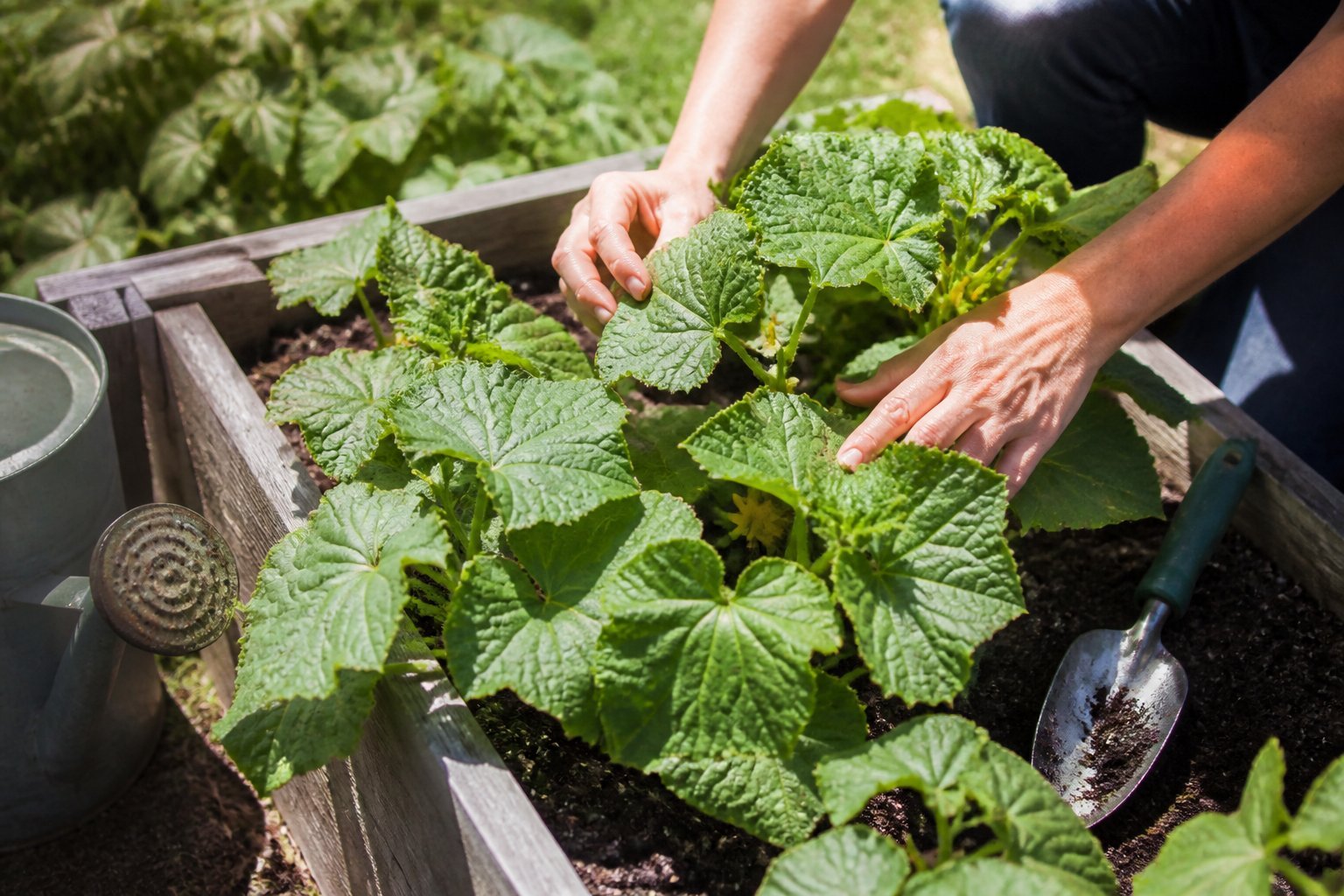
You can get full-size slicing cucumbers from a compact plant that fits a raised bed or large container. Bush Champion makes 8–12 inch crisp cukes without long vines, so it saves space and staking time.
Plant where you get six hours of sun and keep soil evenly moist; pick fruits often to keep production steady. A common mistake is letting fruit overgrow—harvest at 6–10 inches for best texture and flavor.
If you’ve limited space, put one plant per 12–18 inch square and feed lightly every 3–4 weeks. For more details on this variety and seed sources, see Burpee’s Bush Champion listing.
9) Spring Peas (snap peas)
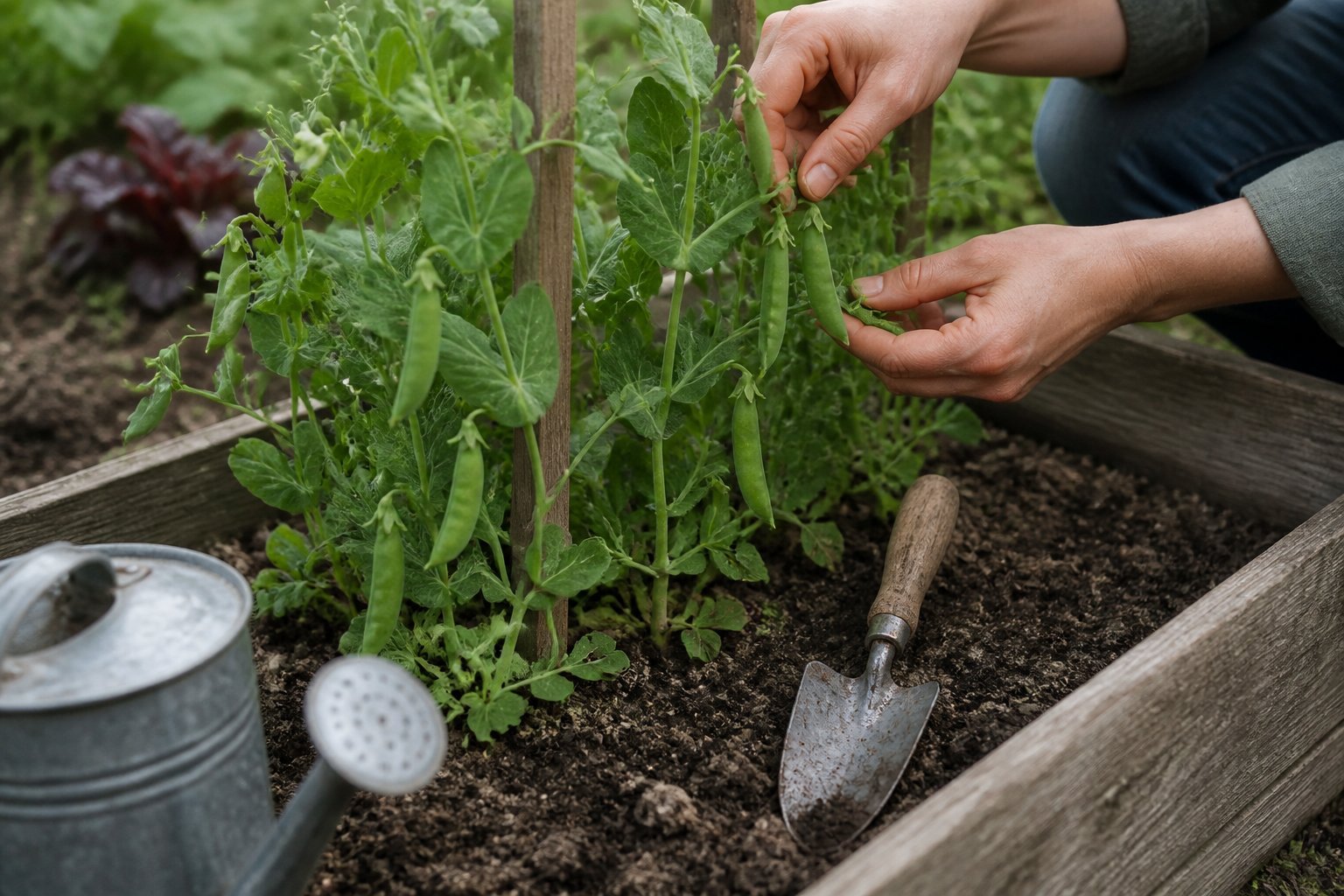
Guide: plant snap peas in early spring as soon as soil can be worked. Sow seeds 1–2 inches deep and 2 inches apart; use a trellis to save space and get straighter vines.
You’ll harvest sweet, crunchy pods in about 50–60 days for many varieties. Keep soil evenly moist and add compost before planting to boost yields.
Common mistake: planting too late in warm weather. Peas stall in heat and turn bitter. If vines look sparse, pinch off the top to encourage side shoots and more pods.
Try a quick success story: a single 4-foot bed trellised with Cascadia or similar snaps can feed a small family for weeks. Plant again in late summer for a fall crop.
10) Zucchini (bush varieties)
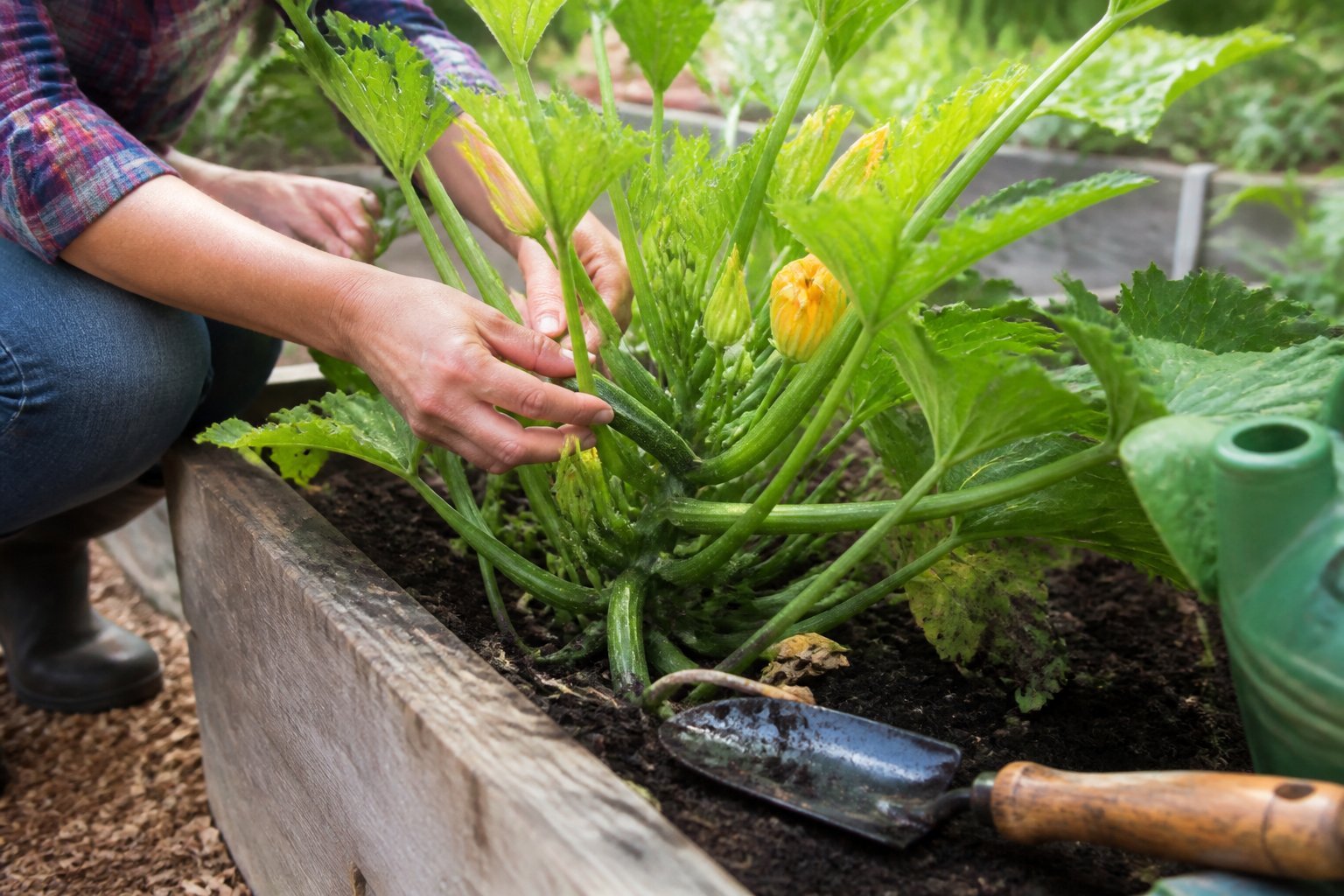
Intent: quick guide to growing compact zucchini in raised beds.
Choose bush zucchini for tight beds and containers; they give full harvests without long vines. Plant after frost and thin to one strong plant per square foot to avoid crowding.
Pick varieties like compact, non-running types that set fruit fast. Harvest when fruits are 6–8 inches for best texture and to keep plants producing.
Water deeply once or twice a week and mulch to retain moisture. Watch for powdery mildew—remove infected leaves early and improve air flow by not overplanting.
A common mistake is letting fruits grow too large; that slows production. Try a couple of plants and harvest often to enjoy steady zucchini in weeks, not months.
Essential Tips for Successful Fast-Growing Vegetables
Set clear goals: pick fast-maturing varieties, give plants rich but loose soil, and keep light and water consistent. Focus on soil structure, daily sun hours, and pairing crops that save space and reduce pests.
Best Soil Mixes for Quick Harvests
Guide: create a light, fertile mix that warms quickly and drains well.
Use a base of quality compost (40%) and coarse coconut coir or peat (30%) to hold moisture without compaction. Add coarse perlite or sharp sand (20%) to improve drainage and oxygen flow to shallow roots. Mix in a balanced slow-release organic fertilizer (10%) or a handful of composted chicken manure per 10 gallons of mix for steady nutrients.
Avoid heavy topsoil or straight garden loam; they stay cold and slow growth.
For quick-start crops like radishes and salad greens, warm the bed with black fabric or clear plastic for a week before sowing if spring soils are cold.
Common mistake: packing the mix too tight. Fluffed, airy soil gives roots room to grow fast and reduces rot.
Optimizing Sunlight and Watering Schedules
Guide: match sun exposure to each crop and water shallow, often for fast growers.
Most rapid vegetables need 6–8 hours of direct sun. Place your raised bed where morning sun hits the leaves; that dries dew and cuts disease. Water deeply but not constantly: aim for 1–1.5 inches per week, delivered in 2–3 sessions for larger-root crops. For quick crops with shallow roots (lettuce, radish), water lighter and more often—every 2–3 days—so seedlings don’t wilt or bolt.
Use a moisture meter or stick finger 1–2 inches into mix to check dampness before watering. Mulch with straw or shredded leaves to keep soil temps steady and cut watering by up to half.
Avoid overhead evening watering; it invites fungal issues.
Using Companion Planting to Maximize Space
Guide: pair fast crops with slow or tall partners to harvest more from one bed.
Plant quick lettuce, radishes, or baby carrots between slower growers like tomatoes, pole beans, or brassicas. Radishes can be harvested in 25–30 days, freeing space for tomato roots to expand. Use trellises for cucumbers or pole beans at the back of a bed to save ground space for fast-maturing greens.
Include aromatic herbs (basil, dill) near tomatoes and brassicas to repel pests and attract beneficial insects. Avoid planting all brassicas together; they share pests.
A common win: sow two staggered rows of lettuce every 10–14 days for continuous harvests while other crops bulk up. Try one experiment bed to learn timing and spacing for your microclimate.
Handling Pests and Diseases in Speedy Raised Bed Gardens
Intent: practical guide. You will spot problems fast and use low-toxicity fixes so your quick-growing crops stay harvest-ready.
Identifying Common Pests
You need to learn the usual culprits so you catch damage early. Look for chewed leaves (slugs, caterpillars), holes with ragged edges (beetles), small clusters of sticky residue or sooty mold (aphids), and tiny white specks or webbing (spider mites). Seedling collapse or wilting that isn’t drought-related often means cutworms at night.
Inspect plants every 2–3 days when they’re young. Check undersides of leaves, the soil surface, and stem bases. Use a flashlight at night to find slugs and caterpillars. Keep a simple log: pest, date found, control used, and result. That record helps you spot patterns like flea beetles attacking brassicas after cool, dry spells.
Common mistake: treating by guesswork. Don’t spray broadly until you positively ID the pest. Misidentifying can kill beneficial insects and make problems worse.
Natural Remedies for Plant Health
Intent: hands-on fixes. You will use physical barriers, friendly insects, and targeted organic sprays to protect fast crops without slowing growth.
Start with prevention: row covers stop flea beetles and cabbage moths while still letting light through. Apply diatomaceous earth in narrow bands around seedlings for slugs and soft-bodied pests. For aphids, blast them off with a strong hose or use insecticidal soap sprayed under leaves early morning.
Introduce beneficials: release or attract ladybugs and lacewings with flowering herbs like dill and calendula. Use neem oil sparingly — it controls many pests but can stress seedlings if used in heat. Rotate crops and avoid planting brassicas after brassicas to reduce soil-borne disease.
Mix a 1% baking soda spray for early powdery mildew or a 0.5% hydrogen peroxide soil drench for damping-off prevention. Always test sprays on one plant first. If an organic treatment fails after two applications, remove heavily infested plants to protect the rest and adjust your next planting plan.