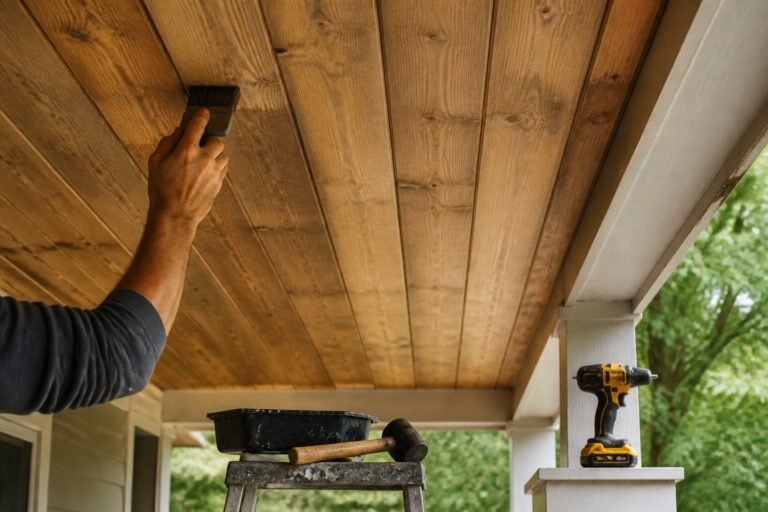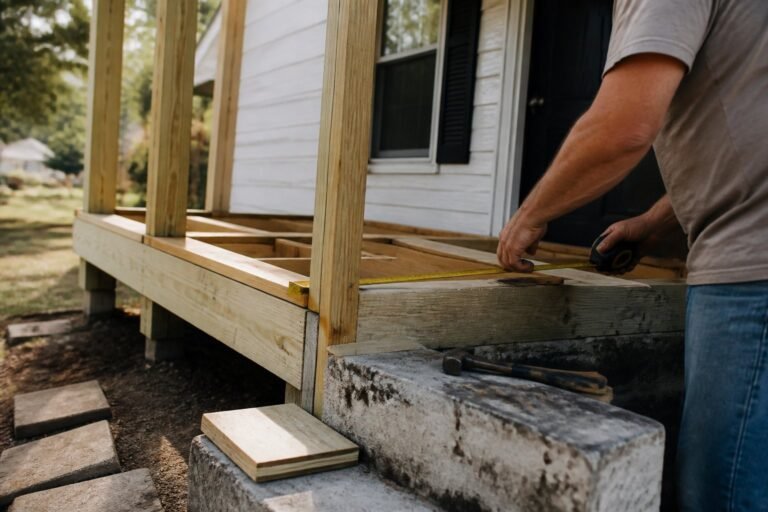
10 Stunning Covered Front Porch Ideas That Instantly Boost Curb Appeal
You want a covered front porch that makes your home feel welcoming and useful every day. Whether you crave a cozy spot for morning coffee, a shaded play area for kids, or an entry that boosts curb appeal, this article will show you practical, stylish options that fit real homes and real budgets. You’ll learn clear design ideas, common mistakes to avoid, and easy ways to pick materials and layouts that work for your climate and lifestyle.
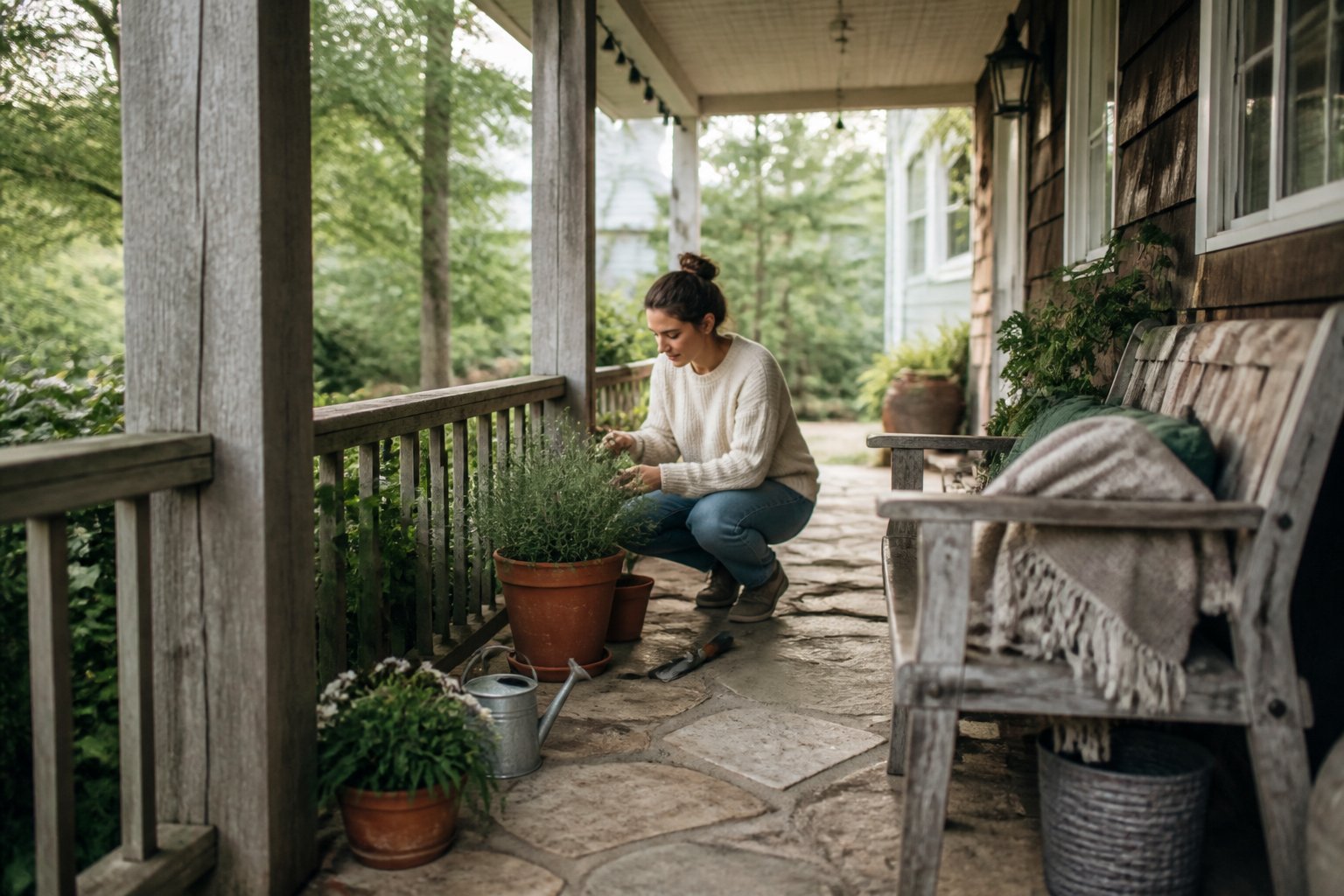
Think of this as a friendly guide from someone who’s remodeled porches and helped homeowners pick the right look without costly surprises. You’ll find examples that spark ideas—from classic columned porches to compact urban designs—and tips to steer clear of poor drainage, awkward furniture placement, and scale problems that ruin a porch’s flow. Keep reading to see which porch style matches your home and how to make it last.
1) Classic Craftsman Porch with Tapered Columns
Intent: idea and guide. A Craftsman porch anchors your home with honest materials and clean lines. You get tapered columns set on stone or brick piers that feel handcrafted and durable.
Start by choosing wood or fiberglass columns and match pier material to your house trim. For a warm look, pair stained wood shafts with sandstone piers; painted white wood works well on bungalows with light siding. Watch for a common mistake: oversized columns that swamp a small porch. Scale matters.
Add a deep overhang and mission-style lighting for period accuracy. Built-in bench seating or simple rocking chairs make the space usable day-to-day. If you need inspiration, browse photos of Craftsman style front porches to see proportions and finishes that work.
2) Farmhouse Wraparound Porch with Board-and-Batten Siding
Guide: idea and small how-to for creating a balanced farmhouse wraparound porch.
You want a porch that feels cozy without swallowing the house. Board-and-batten siding gives clean vertical lines that pair well with a wide, sweeping porch and simple columns. Avoid making the porch too deep; it can hide the front door and flatten the facade.
Use mixed materials—stone piers or brick steps—with painted battens to add texture and curb appeal. Keep rooflines clean so the porch complements, not competes, with the home’s architecture. A common mistake is overloading with trim; subtle trim and black hardware look modern and durable.
Stage the space with a couple of rocking chairs, hanging ferns, and layered rugs to invite guests. If you’re planning changes, consult a builder about roof load and flashing details before you start.
3) Victorian-Inspired Porch with Decorative Spindles and Gingerbread Trim
Intent: idea and guide. You can create a porch that feels historic without looking dated by pairing turned spindles with crisp gingerbread trim. Start with a simple paint plan—two contrasting colors for trim and one neutral for larger surfaces—to highlight the details without overwhelming the facade.
Use narrow, turned spindles on railings and porch screens for delicate shadow lines. Add gingerbread trim at eaves and columns, but avoid heavy layering; too much trim can look cluttered and trap dirt. A common mistake is choosing flimsy materials—opt for rot-resistant wood or composite millwork to keep profiles sharp.
Stage the space with a pair of vintage-style chairs and a small rug to show scale. If you need pattern ideas, browse classic compositions on Houzz for real examples of balanced Victorian porches: https://www.houzz.com/photos/victorian-porch-ideas-phbr1-bp~t_726~s_22849
Try one decorative element first, then add more after you live with it.
4) Modern Minimalist Porch with Sleek Metal Railings and Integrated Lighting
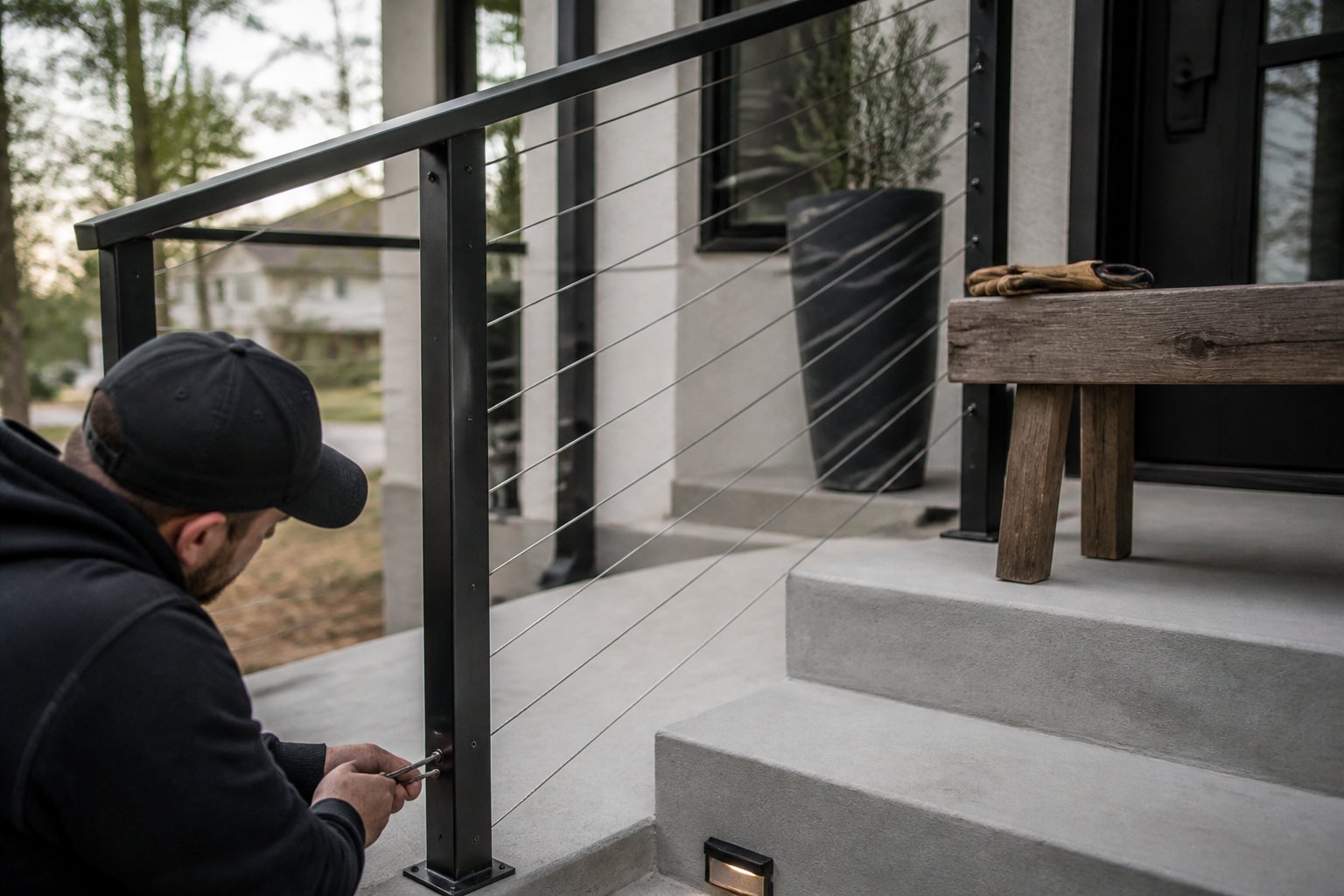
This idea is a guide to a clean, low-maintenance porch you can build step by step. Use thin-profile metal railings in black or charcoal to frame the space without blocking sightlines.
Place LED strip lighting under the handrail or along steps for safe, even glow. Aim for warm white LEDs; they flatter skin tones and wood finishes while avoiding harsh glare.
Keep furniture minimal: a slim bench, one chair, and a narrow planter. A common mistake is overcrowding—leave breathing room so the architecture reads clearly.
If your porch gets wet, choose powder-coated metal and hidden fasteners to resist rust. Test a patch of paint and light placement at dusk before final install.
Try this on a small covered porch to boost curb appeal and function. Consider hiring a metal fabricator for custom rail profiles if you want a refined, permanent look.
5) Cozy Screened-In Porch with Ceiling Fan and Weatherproof Sofa
Intent: idea and guide for a comfy, low-maintenance porch you’ll use all season.
Place a weatherproof sofa facing the yard to create a clear conversation zone. Add washable cushions and an outdoor rug so spills don’t become disasters.
Install a ceiling fan with a damp-rating to move air and cut humidity. Mount it central to the seating so everyone feels the breeze; choose a quiet motor for evening chats.
Think about lighting: layered lamps and string lights keep the mood soft. A common mistake is over-cluttering—leave walking space and a small table for drinks.
For upkeep, hose the screens gently and wipe cushions monthly. Try this setup first on a small porch to test layout and fan speed before you buy big pieces.
6) Sunroom-Style Enclosed Porch with Floor-to-Ceiling Windows
Idea: turn your covered porch into a bright sunroom that feels like part of the house. Floor-to-ceiling windows bring light and view, making the space useful year-round when you add insulation and climate control.
Start by choosing glass that balances view and comfort. Low-E or double-pane glass cuts heat and noise; operable panels give fresh air on mild days. Place durable flooring like porcelain tile or engineered wood to handle sun and humidity.
Add furniture that suits the light—rattan or teak with washable cushions works well. Avoid heavy fabrics that fade quickly; use UV-resistant textiles instead. Common mistake: skimping on window flashing and seals—water damage follows if you don’t seal properly.
If you want inspiration, browse sunroom layouts and decor for ideas on window placement and lighting at this sunroom design roundup (https://www.houzz.com/photos/sunroom-ideas-phbr0-bp~t_12300). Consider a small heater and ceiling fan so the room stays comfy in every season.
7) Rustic Log Cabin Porch with Reclaimed Wood Beam Ceiling
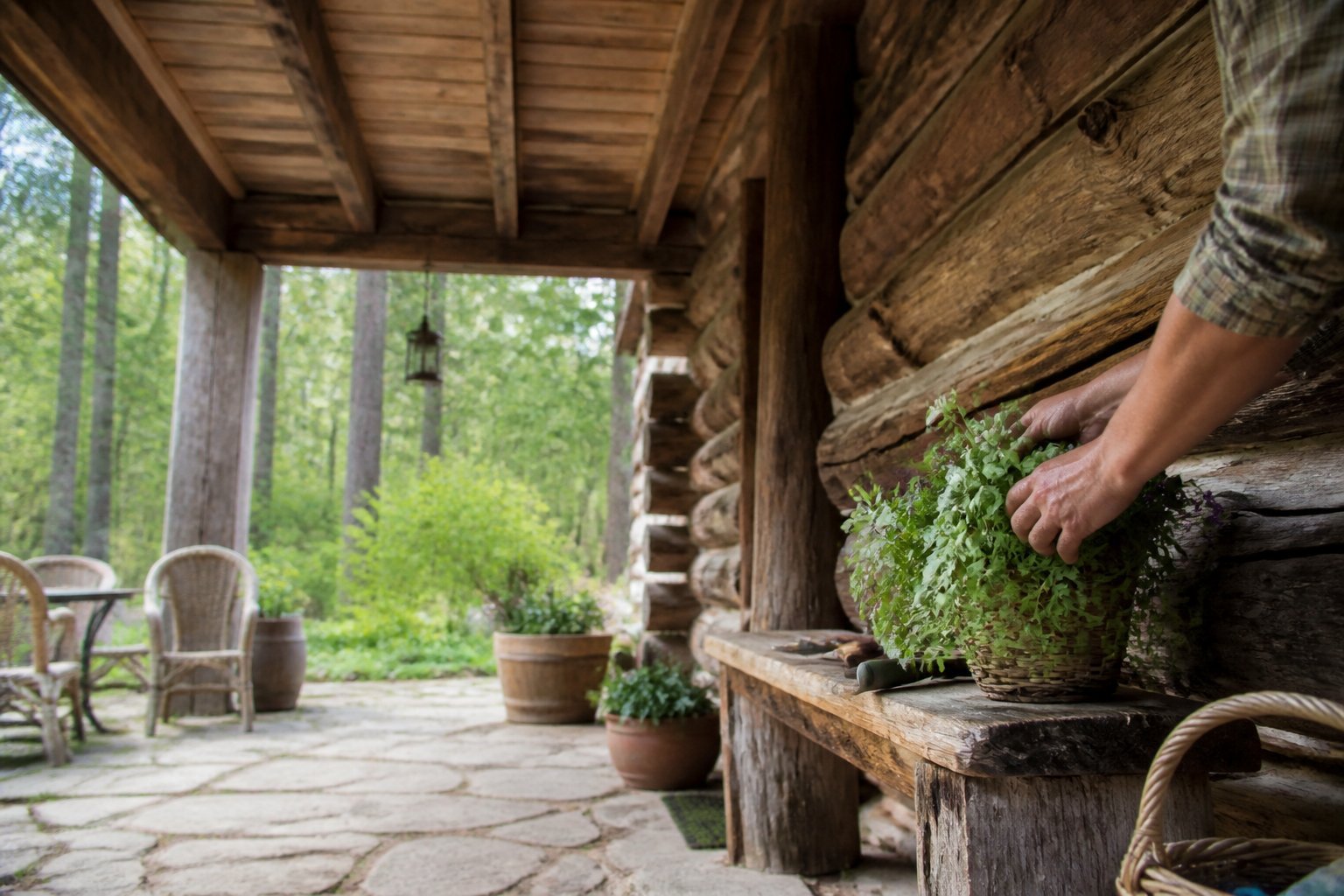
You’ll get a warm, lived-in look by using reclaimed beams across the ceiling. Nail marks, old paint, and varied grain make the porch feel authentic and cozy.
Start by checking beam straightness and pest damage; a fixer-upper beam can need sistering or treatment. Pair the ceiling with stone piers, a simple swing, and iron lanterns for balance.
Avoid over-sanding reclaimed wood—too much removes character. If you want modern comfort, add concealed LED strips between beams for soft evening light without spoiling the rustic vibe.
If you need visuals and ideas for beam styles, browse curated photo collections like those on Houzz for front porches with wood beams. Measure twice, plan for roof load, and enjoy a porch that feels like home.
8) Compact Urban Porch with Built-In Bench and Planter Boxes
Aim to create a cozy, useful entry that fits tight city lots. This guide shows how a built-in bench and narrow planter boxes give you seating, storage, and green curb appeal without crowding the walkway.
Place the bench against the house to save width. Use cedar or composite for weather resistance and add hinged seating for hidden storage—great for umbrellas or cushions. A common mistake is making the bench too deep; keep it 14–16 inches for comfortable sitting without narrowing the path.
Install slim planter boxes on either end or on a raised ledge to frame the doorway. Choose tall, narrow plants like lavender or dwarf grasses to add height without bulk. Watering access matters—use a hose bib or removable pots to avoid daily juggling.
Try a small cushion and a throw for comfort, but avoid bulky decor that blocks entry. Now pick materials and plants that match your home’s style and start building a porch that works every day.
9) Southern-Style Porch with Swing and Tall Pine Columns
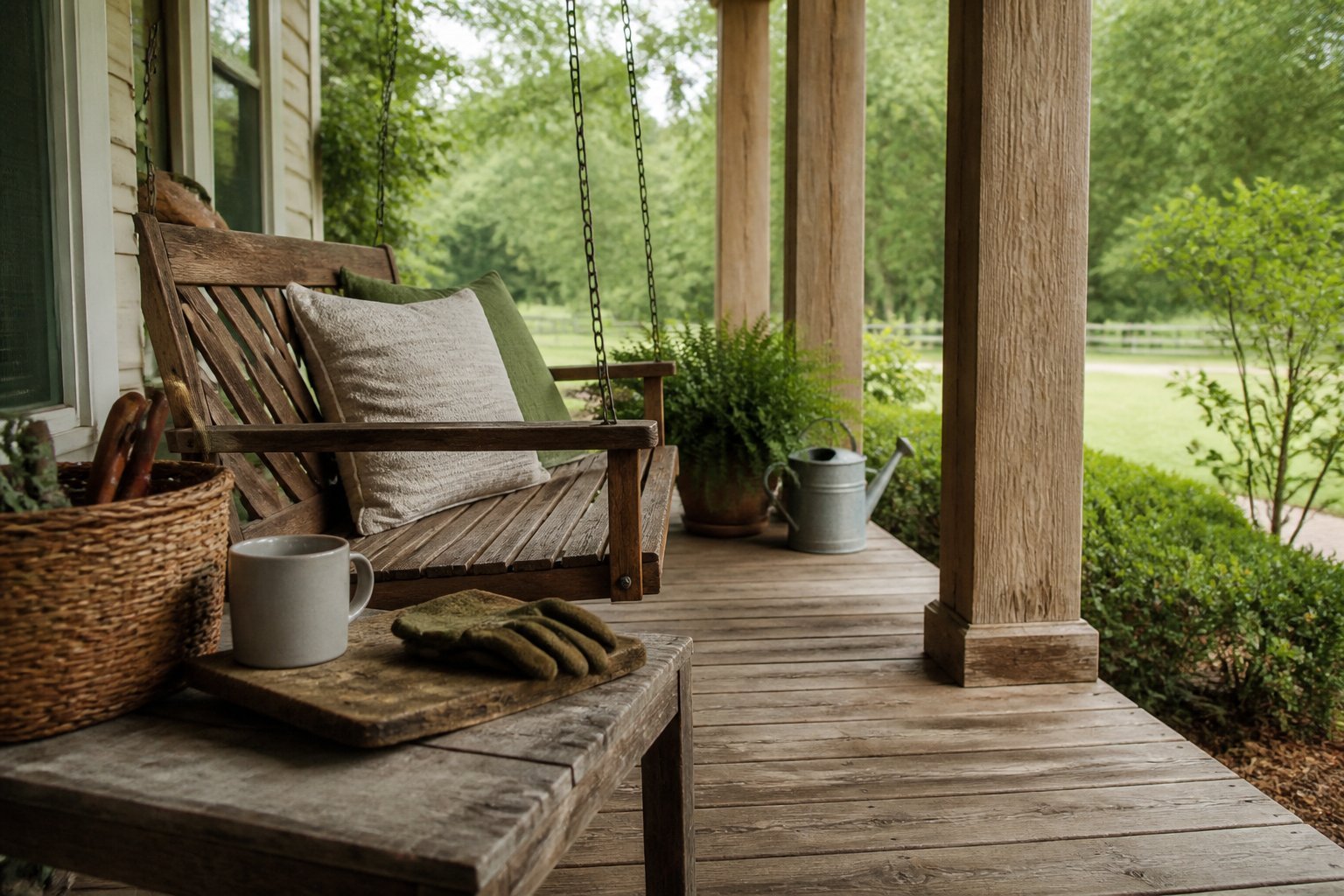
This idea is a guide to creating a welcoming Southern porch that feels lived-in and calm. Start with tall pine columns for a classic look; their grain and warm tones set the porch’s mood.
Hang a deep, comfortable swing with weatherproof cushions. Sit for a few minutes to test comfort and height; too low or stiff will ruin long evenings.
Add rocking chairs, wicker accents, and hanging ferns for layered texture. Use durable paints and sealers on pine to avoid warping—many people skip sealing and regret it after one wet season.
Keep lighting soft with lanterns or sconces. Finally, place a small side table for cold drinks and a stack of simple throws to invite guests to stay.
10) Covered Front Porch with Vaulted Ceiling and Skylights
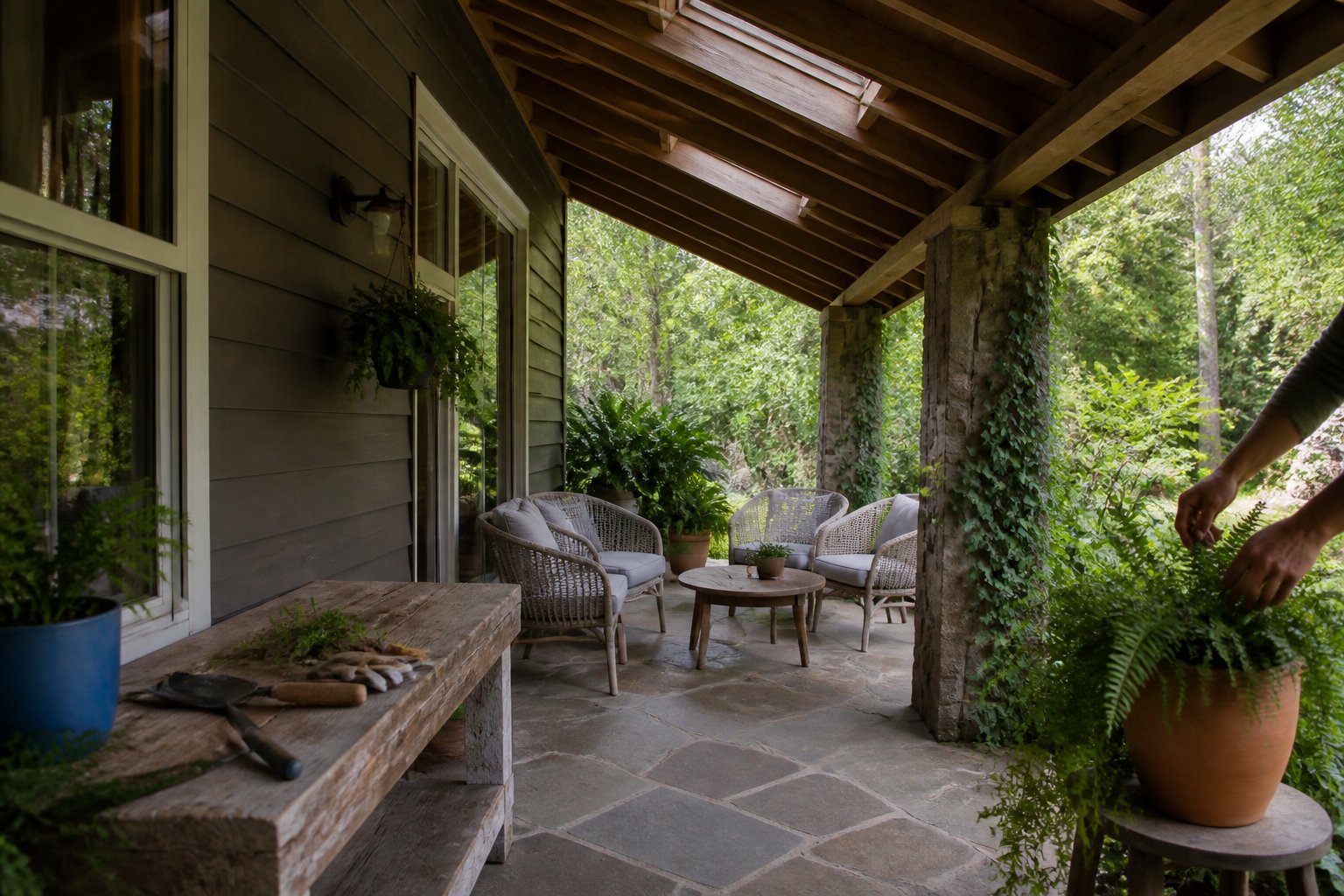
Intent: idea and guide. You’ll get a bright, airy porch that feels larger than it is.
A vaulted ceiling lifts the eye and adds drama without heavy cost. Pair it with skylights to pull daylight deep into your porch and the rooms beyond. Pick durable skylights rated for porch use and position them to avoid midday glare.
Use exposed beams or white beadboard to keep the look warm and modern. A common mistake is overdoing windows—too many skylights can heat the space in summer. Aim for two or three well-placed units instead.
Add a ceiling fan between skylights for airflow and to protect finishes from moisture. If you want examples and layout tips, see vaulted porch photos and ideas on Houzz. Consider simple maintenance plans so your bright porch stays beautiful.
Essential Design Principles
Focus on what your porch should do: welcome guests, withstand weather, and match your home’s style. Think curb impact, durable choices, and how much privacy you need before buying materials or furniture.
Maximizing Curb Appeal
Think about the first 3–5 seconds a visitor sees. Paint or stain the door in a contrasting color, add symmetrical planters, and choose lighting that highlights architectural details. Small changes—new house numbers, a clean doormat, and a layered entry rug—lift the whole look without a big budget.
Pick one focal point, such as a statement light fixture or a porch swing, and keep other elements simple. Avoid mixing more than three finishes; too many metals or wood tones look cluttered. A common mistake is overfilling a small porch with furniture; measure and leave a clear path to the door.
Practical tip: photograph your porch at the hour you use it most (morning or evening). That shows how light, shadow, and color read in real life so you can fine-tune placement and contrast.
Choosing Materials for Longevity
Choose materials that handle your climate. In wet regions, use rot-resistant wood (cedar or redwood) or composite decking. In hot, sunny areas, pick UV-stable paints and fabrics rated for outdoor use. For flooring, non-slip finishes and sealed surfaces reduce maintenance and accident risk.
Match fasteners and hardware to material choices—stainless steel or hot-dipped galvanized screws resist corrosion. Avoid untreated softwoods and low-grade plywood; they warp fast. If you want the look of wood without the upkeep, high-quality composite or capped boards give realistic grain with years less maintenance.
Plan for a maintenance schedule: annual sealing, seasonal cushion storage, and quick roof-flashing checks. Skipping these steps causes the fastest failures, not the material itself.
Balancing Privacy and Openness
Decide how visible you want to be from the street. Use tall planters, lattice with climbing vines, or half-height railings to block direct sight lines while keeping airflow and light. For tighter privacy, install operable screens or curtains you can open for greeting guests.
Keep proportions correct: tall screens on a low porch feel overpowering. Use layering—planters close to the house, seating in the middle, and shorter barriers at the edge—to preserve depth and sight lines. A mistake many make is creating a “walled” feel; add reflective or light-colored surfaces to keep the space bright.
Consider sight lines from inside your home. Test privacy options at different times of day to confirm they give the balance you want, then choose hardware and fabrics rated for outdoor use to avoid fast fading or sagging.
Climate Considerations for Covered Porches
Think about how heavy rain, strong sun, freezing temperatures, and humidity will affect materials, furniture, and use. Prioritize water control, durable finishes, and flexible enclosures so the porch works across storms and seasons.
Weatherproofing Techniques
Intent: guide — Protect your porch from water and wind first.
Use a sloped roof and gutters sized for your roof area to move water away from the foundation. Seal roof penetrations and use ice-and-water shield at eaves in cold climates to prevent leaks and freeze damage.
Choose rot‑resistant framing and decking like pressure‑treated wood, cedar, or composite. Paint or stain with products rated for exterior use and UV resistance. Fasteners should be stainless steel or hot‑dipped galvanized to avoid corrosion in humid or coastal areas.
Install flashing at wall connections and under trim. Add a threshold or raised sill at any door to stop splashback. For screens or bug cloth, use removable panels so you can clean and replace them after storms.
Common mistake: leaving vents or soffits unprotected. They funnel wind-driven rain into attic spaces. Check seals yearly and replace caulk where it cracks.
Adapting to Seasonal Changes
Intent: tutorial — Make the porch flexible so you can use it year‑round.
In hot, sunny regions, orient shades, plant deciduous trees, or fit adjustable louvered panels to cut midday sun but allow winter light. For colder climates, plan for removable clear vinyl curtains or insulated roll‑up panels to trap warmth during shoulder seasons.
Add heat options sized for the space: a low-profile electric heater for small porches or a propane patio heater for larger open areas. Ensure proper clearance and ventilation for any fuel heater to meet safety codes.
Choose furniture with weatherproof cushions and store textiles in sealed bins during winter. Keep a checklist: inspect seals in spring, clean gutters in fall, and test heaters before use. These small routines prevent costly repairs and keep your porch ready when you want to relax outside.