10 Stunning Enclosed Porches for Jaw-Dropping Curb Appeal Transformations
You want a porch that turns heads and makes your home feel larger and more welcoming. Many porches fall short because they look unfinished or don’t match the house—this piece shows how to avoid those mistakes and get ideas that actually lift curb appeal and livability.
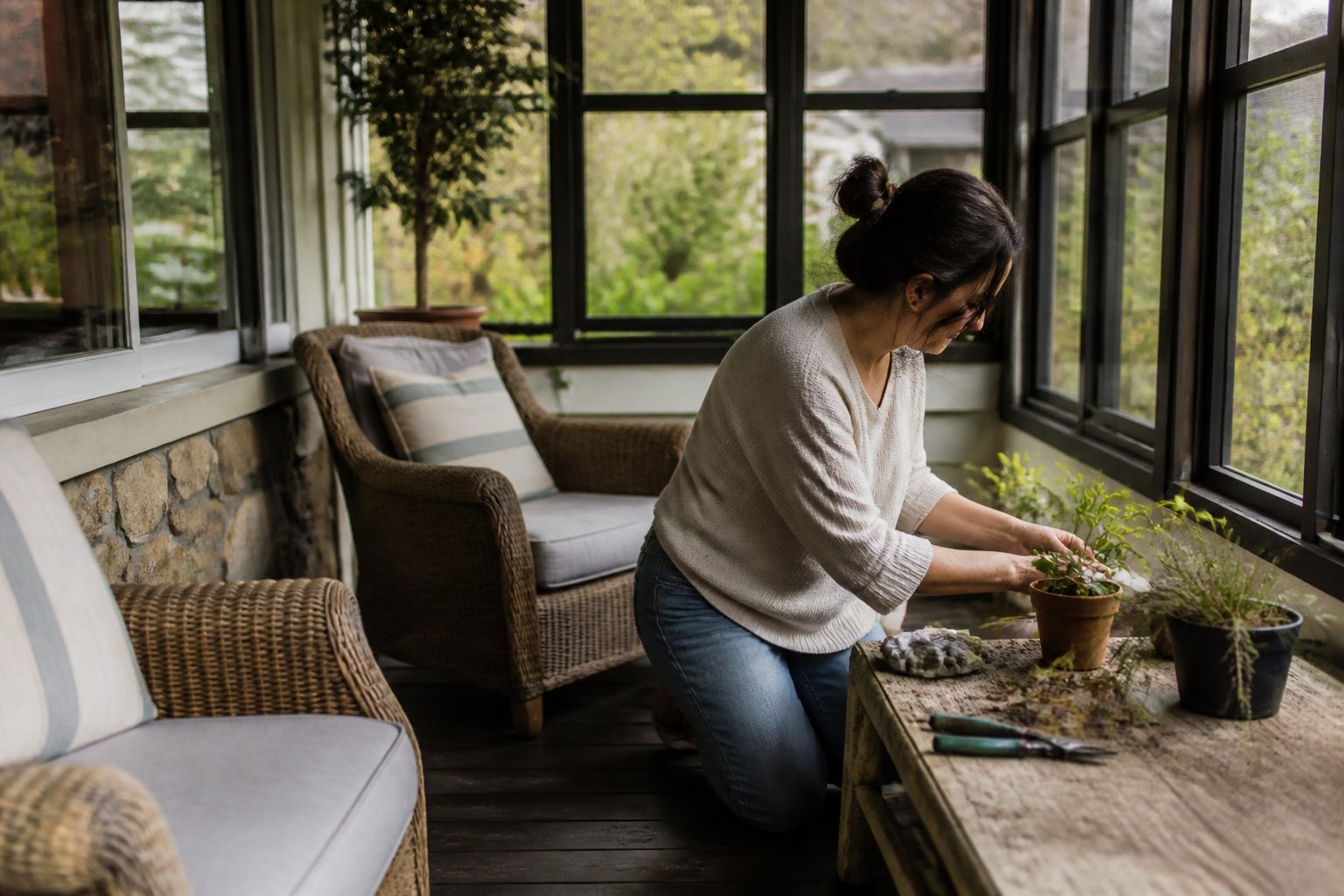
You’ll learn practical, style-forward porch options and what to watch for when planning, from cozy screened rooms to heated all-season spaces, so you can pick a porch that fits your budget and climate.
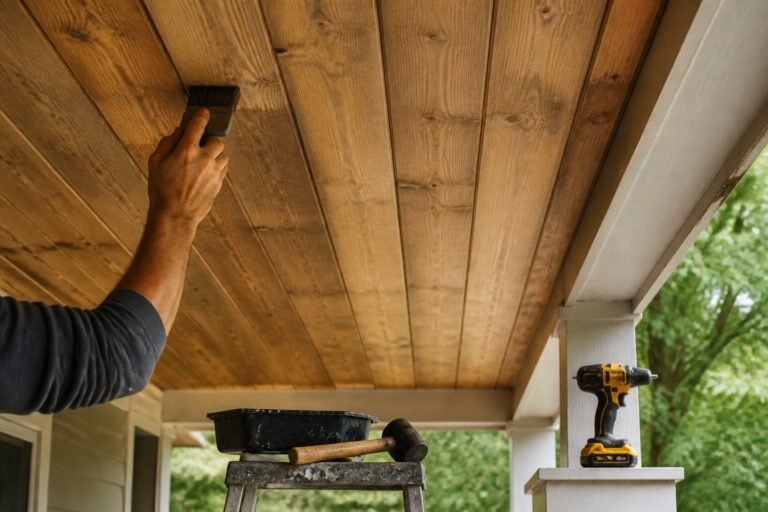
1) Cozy Screened Three-Season Porch with Cedar Ceiling
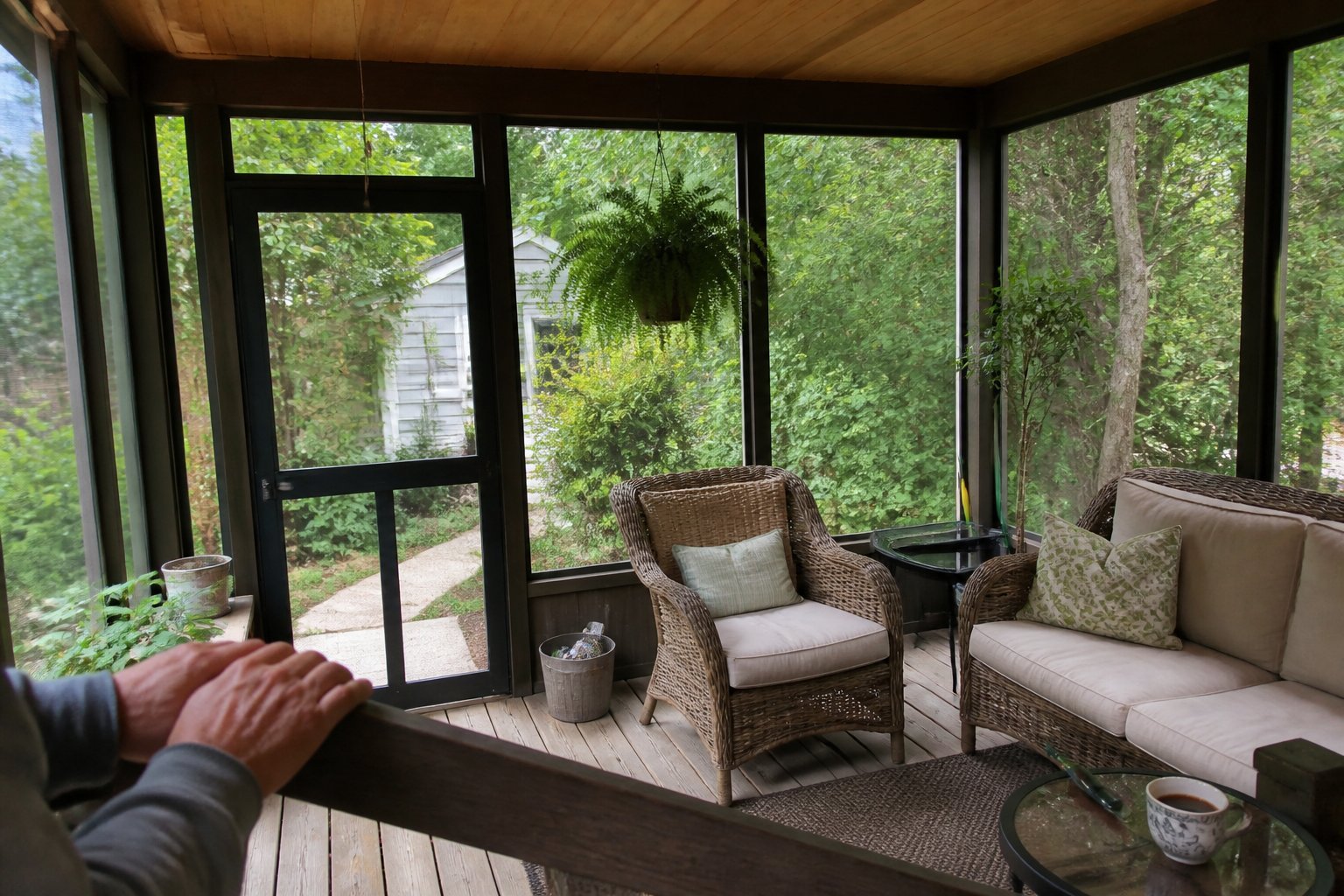
Intent: idea + guide. You’ll make a small porch feel warm and finished by using cedar for the ceiling and tight-screened panels to keep bugs out.
Cedar adds color and scent while resisting rot. Lay boards perpendicular to the house for a custom look, and stagger joints to avoid visible seams. A common mistake is skipping a moisture gap—leave a small air space above framing to prevent trapping dampness.
Pick screens with a fine mesh for comfort and clear sightlines. Add layered seating: a bench with cushions plus a small table keeps the space usable for morning coffee or evening chats. Use recessed or low-glare lighting; strings look nice but can glare.
For inspiration, browse cozy screened-porch photos to see layout ideas and finishes (for example, check this Cozy Screened Porch gallery). Try one change now: replace an indoor light with soft outdoor-rated fixtures to test the mood.
2) Glass-Enclosed Sunroom with Floor-to-Ceiling Windows
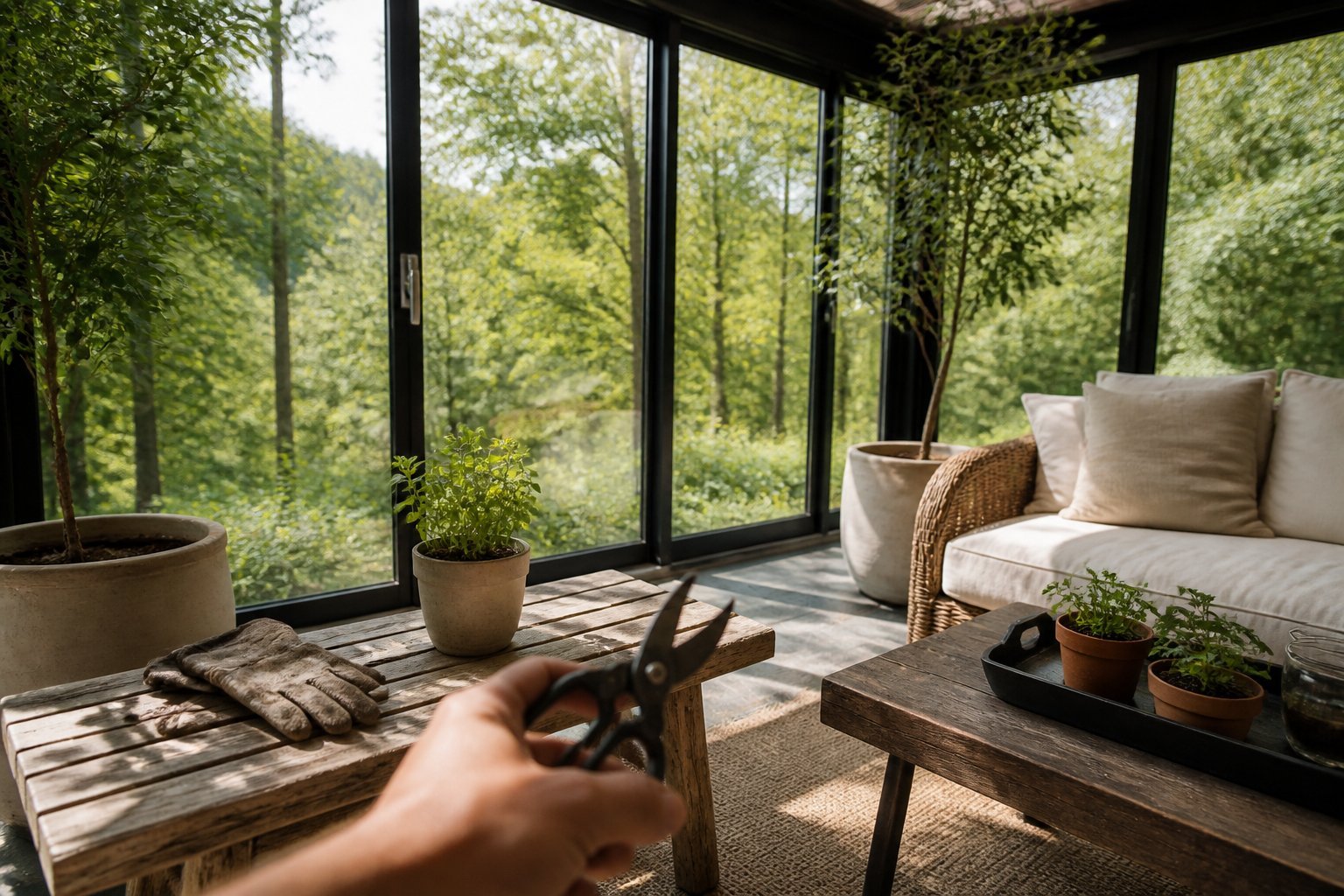
Idea: create a bright, year-round living space that boosts curb appeal and brings the yard inside.
You’ll get maximum light and views with floor-to-ceiling glass. Choose glass with low-E coating to cut heat gain and protect furnishings. A typical mistake is skimping on ventilation; add operable windows or a ceiling fan to avoid a greenhouse effect.
Think about framing color and trim to match your home. Dark frames create modern contrast; painted wood feels classic. For comfort, install insulated glass and radiant-floor heat if you plan to use the room in winter.
Picture a morning coffee spot where you can see the garden clearly. Before you build, check local codes and hire a contractor experienced with structural glass enclosures so the work lasts.
3) Furnished Farmhouse Mudroom Porch with Beadboard Walls
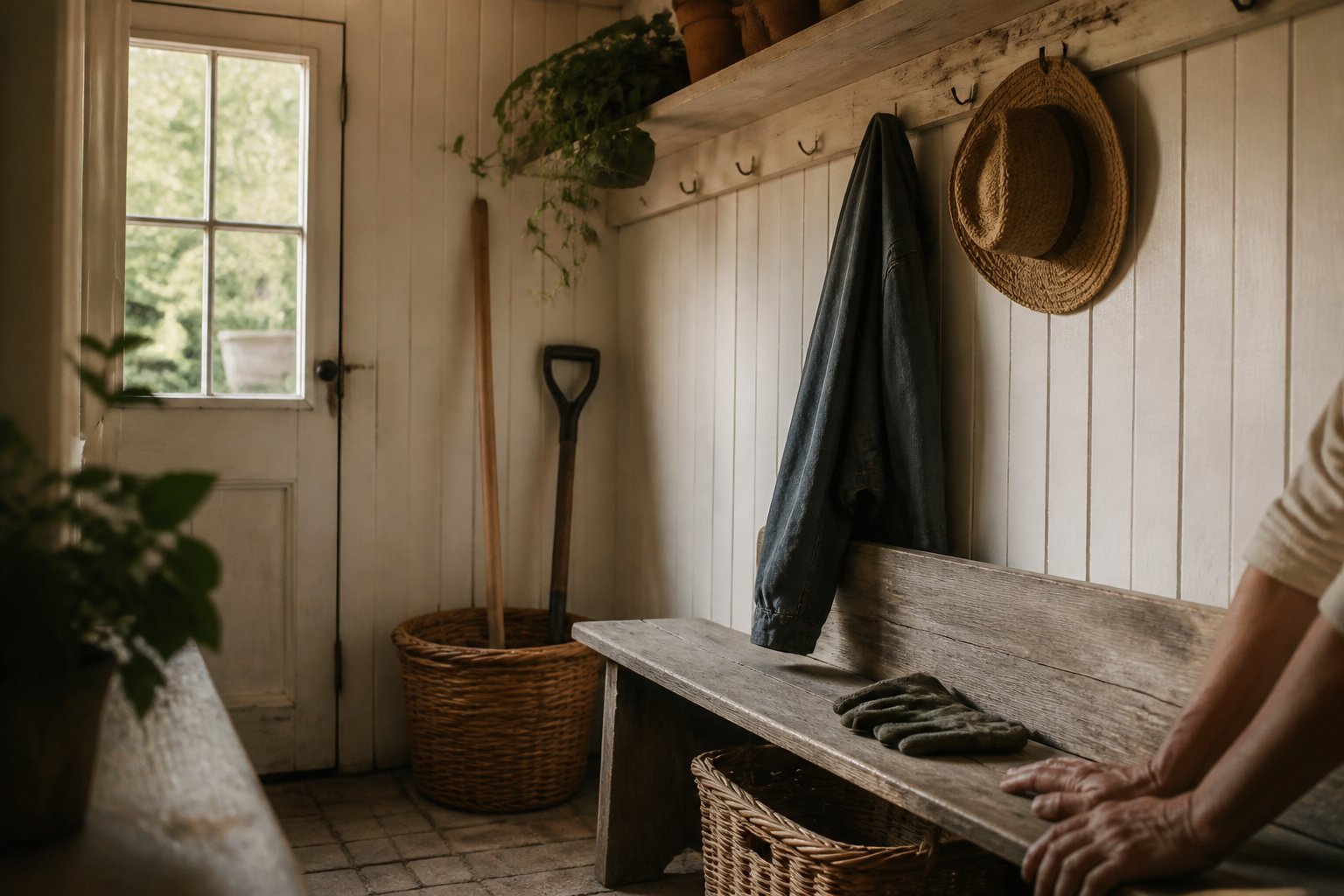
Intent: idea and guide. This porch turns a muddy entry into a tidy, welcoming space that protects your floors.
Start by installing beadboard on lower walls for a classic farmhouse look and easy cleaning. Paint it a durable semi-gloss white or soft gray to hide scuffs and reflect light.
Add built-in benches with cubbies underneath for shoes and baskets. A row of sturdy hooks above the bench keeps coats visible and off the floor. Use a durable runner rug to trap dirt and define the walkway.
Choose practical, vintage-style lighting and a wall mirror to make the space feel larger. Common mistake: skipping enough storage—plan for seasonal gear. If you want curb appeal and function, finish with simple trim and weatherproof materials.
See farmhouse porch inspiration and layout tips at Houzz for ideas you can adapt to your home: https://www.houzz.com/photos/query/enclosed-front-porch-mudroom
4) Modern Minimalist Enclosed Porch with Black-Framed Steel Windows
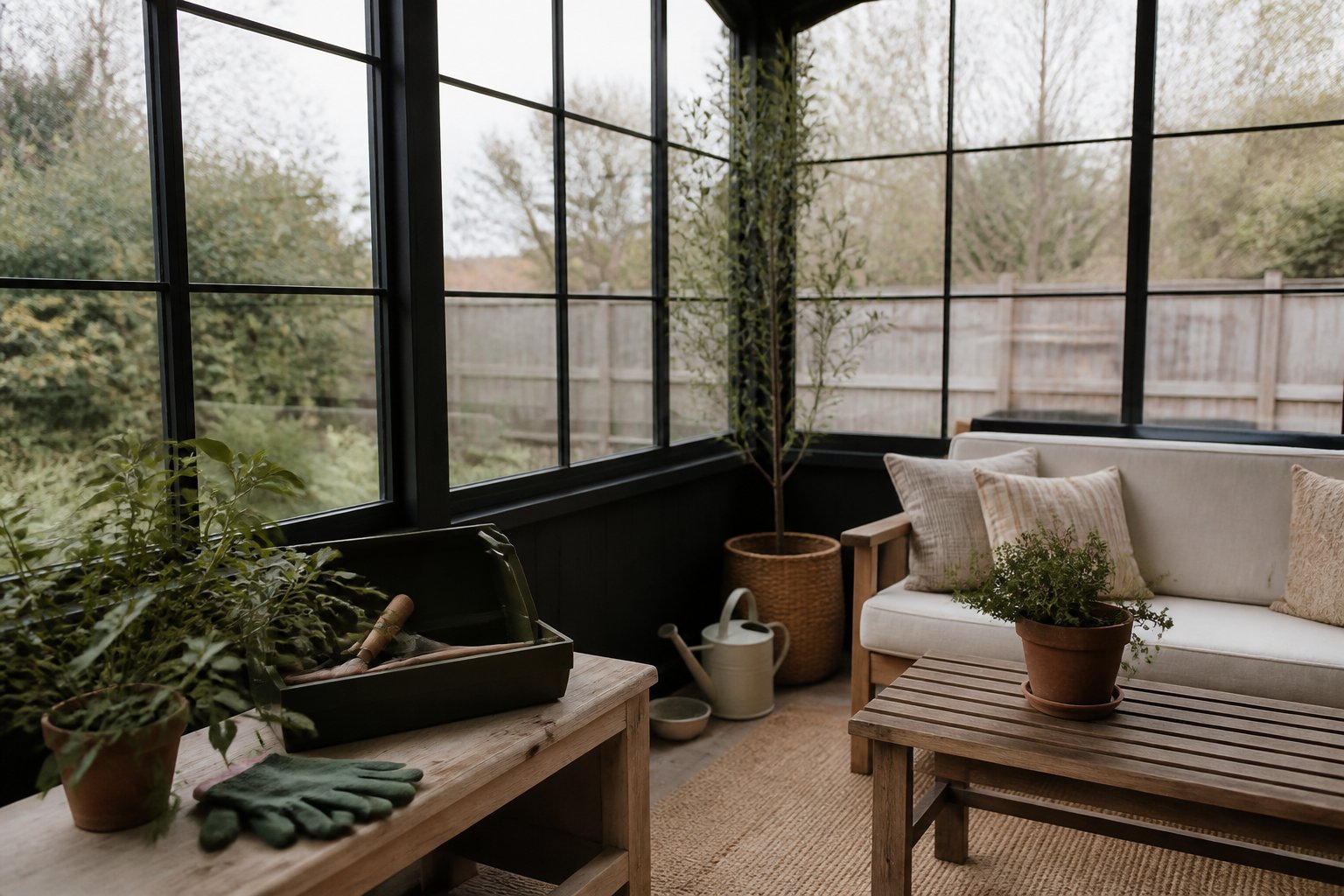
Intent: idea and guide. Choose black-framed steel windows to give your porch a clean, modern look that highlights views and light. They act as a graphic frame for your home’s facade.
Keep furnishings minimal—think a slim bench, a pair of chairs, and one sculptural planter. Use neutral textiles and one bold accent color to avoid clutter while adding warmth.
Watch for common mistakes: don’t overstuff the space, and check window thermal ratings so the room stays comfortable year-round. If you want a three-season room, add insulated flooring and operable vents.
A pro tip: align frame seams with architectural lines like siding or steps for a cohesive look. Try pairing the windows with matte black hardware and simple outdoor lighting to make the design feel deliberate and calm.
Consider this style if you want striking curb appeal without heavy ornamentation.
5) Victorian-Inspired Sun Porch with Stained-Glass Transom
Intent: idea and guide. You’ll create a sun porch that honors Victorian detail while staying livable today.
Start with a stained-glass transom above the door to catch morning light and add color. Pair it with turned wood columns and a simple beadboard ceiling for authentic texture without clutter.
Choose period-appropriate furniture — a wicker set or a small carved bench — and keep fabrics muted so the glass remains the focal point. Think about screening or removable glass panels to use the space in more seasons.
Watch for common mistakes: don’t overdo ornamentation, and avoid heavy drapery that hides the transom. If the original frame needs repair, use a pro for structural work and consider salvaged hardware to save money.
Try one bold pane of glass rather than an entire window of stained pieces; it gives charm without overwhelming your home.
6) Heated All-Season Porch with Insulated Walls and Radiant Floor
Intent: guide. You’ll create a true four-season room by combining full wall insulation and radiant floor heating. Start by insulating walls, ceiling, and around window frames to stop cold bridges. Use closed-cell spray foam or high-R batt insulation for best results.
Radiant floor systems tuck heating beneath tile or engineered hardwood for even warmth. They cut drafts and keep furniture zones comfortable without bulky baseboard units. A common mistake is under-insulating the rim joist; fix that to avoid heat loss.
Plan flooring that conducts heat well—porcelain tile or stone works great. Think about a programmable thermostat and zones so you don’t heat unused areas. If you want inspiration for layouts and finishes, this enclosed porch idea shows practical options and tech details to copy (https://dearworld.me/enclosed-porch-ideas/).
Test for cold spots after installation and adjust insulation or tubing layout. If you need help, hire a contractor experienced with radiant systems to avoid costly rework.
7) Wraparound Enclosed Porch with Sliding Glass Panels
Tutorial: learn how sliding glass panels can turn a wraparound porch into usable space year-round. Start by planning sightlines so you keep the best views while adding weather protection.
Choose low-E tempered glass and good seals to cut drafts and glare. Think about track placement—flush tracks reduce tripping hazards but cost more.
A common mistake is ignoring drainage under tracks; water can pool and damage flooring. Also, test panel weight for your frame so operation stays smooth over time.
For style, match frames to your home—black for modern, white for cottage. If you want privacy, add removable blinds or frosted panels. Try one corner as a door-style panel for easy outdoor access.
8) Rustic Adirondack-Style Screened Porch with Tongue-and-Groove Pine
Intent: idea and small tutorial to achieve this look.
You’ll get a warm, wood-first feel by using tongue-and-groove pine on the ceiling and simple cedar framing. Aim for a tall gable roof and cathedral ceiling to make the space feel larger and let light flow in naturally.
Place furniture in zones: a dining spot, a lounging area, and a small reading nook. Use reclaimed-wood side tables and an Adirondack swing to keep the rustic charm. Watch for common mistakes like over-sanding the pine or using indoor finishes that won’t hold up to humidity.
If you need help choosing durable screens or coordinating stain tones, test samples on-site. Try a single focal piece, like a cedar beam or vintage lantern, to tie the design together and boost curb appeal.
9) Sunlit Conservatory with Skylights and Potted Citrus Trees
Intent: idea and how-to for bright, plant-filled space.
You’ll create a show-stopping conservatory by adding skylights and a few potted citrus trees. Skylights boost natural light where walls can’t, and citrus adds fragrance and year-round color.
Place skylights to avoid hot midday glare; north-leaning glass or diffusing shades help. Choose dwarf lemon or calamondin varieties in large pots with good drainage. Rotate pots monthly so growth stays even and leaves don’t lean toward one view.
A common mistake is overwatering—citrus like steady moisture, not soggy roots. Use a well-draining potting mix and a saucer with a few holes. For design, pair terracotta pots with rattan furniture and a light rug to keep the feel organic and airy.
If you want more light ideas, see skylight conservatory designs for inspiration: 75 sunroom skylight ideas on Houzz.
10) Craftsman Front Porch with Mission-Style Built-in Seating
Idea: show how to add mission-style built-in benches that match tapered columns and natural materials.
You’ll get a porch that feels handcrafted and lasts. Use cedar or oak for the benches and tie the paint or stain to your columns and trim for a unified look. Add deep seat cushions with muted colors to keep the Craftsman vibe.
A common mistake is making the bench too shallow; aim for 18–20 inches of seat depth and 16–18 inches of seat height. Include storage under the bench for cushions and tools to keep the porch tidy. Install mission-style lanterns nearby for balanced lighting and a classic touch.
If you want visual ideas, browse a curated gallery of Craftsman porch examples to see materials and layouts in real homes. Try one simple change first—swap cushions or add a lantern—and you’ll notice the curb appeal shift quickly.
Design Principles for Enhancing Curb Appeal
Focus on choices that make the porch read as a deliberate, finished part of your home. Pick colors, materials, and lighting that tie the porch to the house, highlight key features, and work for the local climate and seasons.
Color and Material Selection
Guide: choose a palette and materials that last and match your home’s style.
Start with three main colors: a dominant trim or siding tone, an accent for the door or window frames, and a neutral for floors and railings. For example, pair a warm gray siding, deep navy door, and natural cedar floor for a modern craftsman look. Use samples on site; paint chips look different in morning and evening light.
Pick durable materials for where wear hits first. Porches see foot traffic and weather, so use rot-resistant wood (cedar, ipe) or composite decking for floors. Choose exterior-grade paints and powder-coated metals for rails. Match textures—matte painted trim reads classic; glossy metal feels contemporary.
Common mistake: choosing colors from a photo alone. Always test swatches on the porch. If you want curb appeal fast, repaint the door a bold accent and replace worn flooring boards first.
Architectural Harmony
Guide: make the porch feel like it belongs to the house, not an add-on.
Study rooflines, window shapes, and existing trim profiles. If your house has tall, narrow windows, reflect that vertical rhythm with slender balusters or vertical beadboard. For low-slung bungalows, keep porch proportions low and horizontal to match the silhouette.
Use repeating details to link additions: match corner boards, pick the same molding profile, and mirror exterior light fixtures. If you change porch columns, keep their width proportional to the roof span—too thin looks fragile; too chunky looks awkward.
Common mistake: over-styling. Don’t mix Victorian gingerbread with modern minimal siding. Instead, pick one period detail and echo it subtly across the porch for balance.
Lighting Integration
Guide: light the porch for function, safety, and evening curb presence.
Start with layered lighting: ambient (ceiling or pendant), task (step lights or sconces), and accent (uplights for columns or planters). Use warm LED bulbs (2700–3000K) to preserve welcoming tones and avoid harsh white light.
Place fixtures for both safety and drama. Mount sconces beside the door at eye level, add recessed step lights on risers, and aim low-angle accent lights up columns to create depth. Add a dimmer so you can shift mood for evenings.
Energy tip: choose fixtures with integrated LEDs and weather-rated housings. Mistake to avoid: putting all light overhead—this flattens features. Instead, layer to reveal texture and create curb appeal after dark.
Maintenance Strategies for Lasting Impressions
Protect structural elements, glass, and finishes with a clear plan that matches your climate and porch materials. Schedule simple tasks so small problems don’t turn into costly repairs.
Weatherproofing Techniques
Guide: practical steps to keep water, wind, and sun from damaging your porch.
Start by sealing gaps around windows and doors with high-quality silicone or polyurethane caulk. Check joints twice a year—look for cracks wider than 1/8 inch and re-caulk promptly. Replace worn threshold weatherstripping to stop drafts and moisture at the entry.
Protect wood with a marine-grade or exterior oil finish; recoat every 2–3 years depending on sun exposure. For painted surfaces, scrape loose paint, prime bare wood, and use a 100% acrylic exterior paint for better UV resistance. Use stainless-steel fasteners to avoid rust stains and wood splitting.
Add roof overhangs or clear polycarbonate panels over screened porches to reduce direct rain and sun. For glass enclosures, install glazing tape and exterior-rated sealant around frames. Common mistake: only caulking once—reinspect after heavy storms and reapply where needed.
Seasonal Cleaning Routines
Guide: weekly and seasonal tasks that keep the porch safe and attractive.
Weekly: sweep floors, vacuum dust from screens, and wipe down rails with mild soap and water. Spot-treat bird droppings and pollen within 24 hours to avoid staining. Monthly: wash windows inside and out with a non-abrasive cleaner and check screen frames for tears.
Spring: inspect for winter freeze damage. Tighten loose screws, test door alignment, and power-rinse decking to remove grit. Reseal wood or recoat finishes as needed. Fall: clear gutters, remove leaf buildup from corners, and store removable cushions in a dry, ventilated space.
Use a short checklist you can print: sweep, wash, inspect seals, tighten hardware, and treat finishes. This keeps maintenance quick and prevents the common mistake of postponing small repairs until they become big ones.