Skirting Insulation Myths vs. Facts: Essential 2026 Tips to Save Big
You want clear answers about skirting insulation so you can stop wasting time and money on guesses. You’ll learn which common beliefs hurt performance and which simple fixes actually save energy, prevent moisture, and protect pipes.
Think of this article as a practical guide from someone who’s solved these problems on real homes. You’ll see common mistakes, quick checks you can do under the skirt, and what to prioritize for different climates so you make smart choices that last.
1) Myth: Skirting always needs insulation
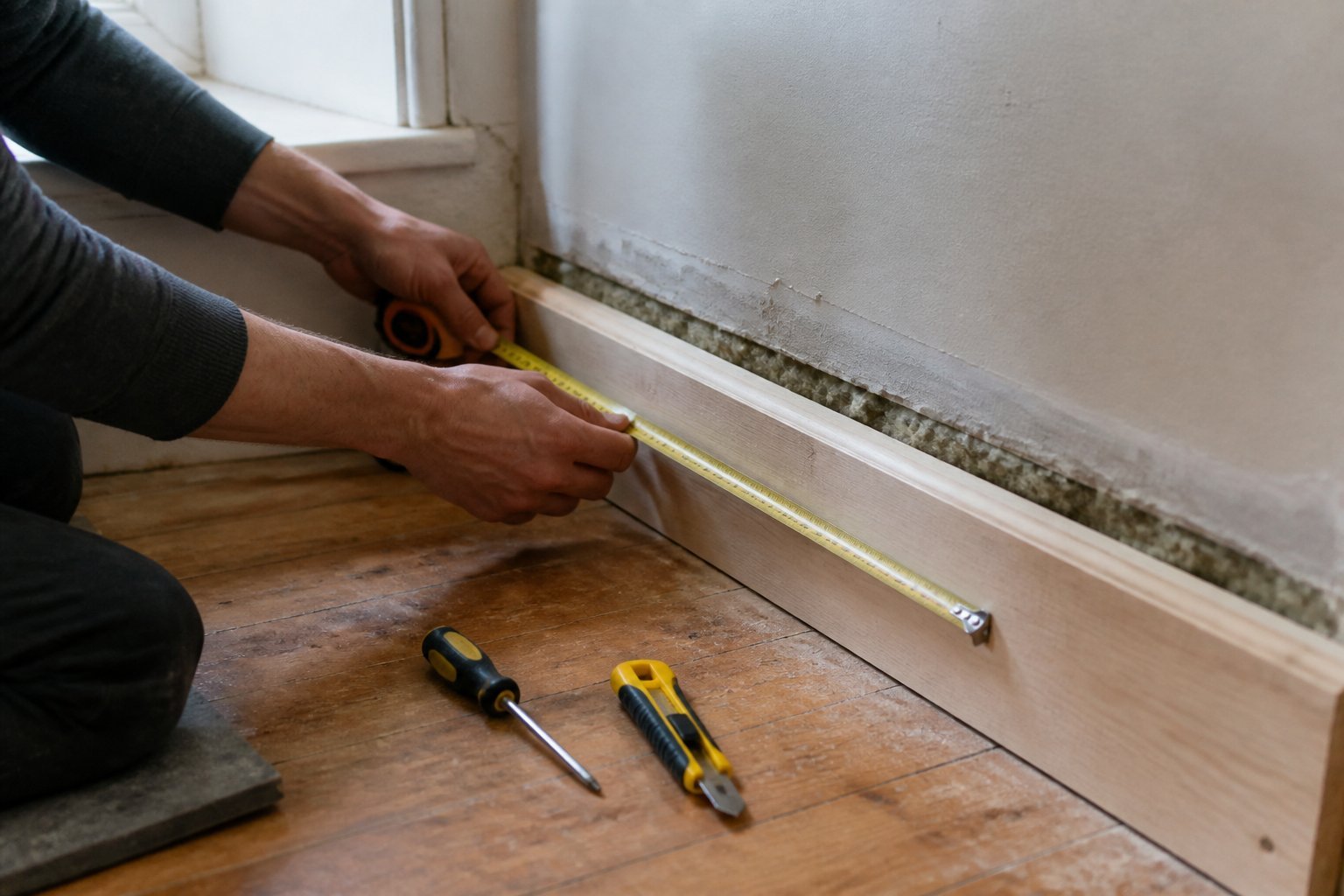
Guide: help you decide if skirting needs insulation for your home. You don’t always need insulated skirting. Modern manufactured homes often have good floor and underbelly insulation already, so adding insulated panels may bring little extra benefit.
Think about climate and budget. In mild zones, simple vinyl skirting gives wind block and looks tidy. In cold areas or if pipes run under the floor, insulated skirting or added belly insulation can prevent frozen pipes and lower energy bills.
Watch common mistakes: people add heavy insulated panels without reinforcing tracks, which causes bending and gaps. Measure ventilation needs too; trapped moisture can cause rot. If you want a quick overview of options and trade-offs, read this skirting insulation myths vs. facts guide.
2) Fact: Insulated vinyl panels reduce underfloor heat loss
Guide: learn how insulated vinyl panels stop heat from escaping under your home.
Insulated vinyl panels add a continuous barrier under the rim and along the crawlspace. They slow warm air flow and cut drafts, which keeps your floors noticeably warmer in cold weather.
Install panels close to the ground and seal joints to avoid gaps. A common mistake is leaving vents wide open in freezing weather; close or baffle them when needed but keep some ventilation to prevent moisture.
You’ll see faster payback where homes sit on piers with exposed joists. For a hands-on example, measure floor temperature before and after a small section to confirm the gain.
Try one wall first to test fit and sealing methods, then finish the run. If you want help choosing panel thickness, check insulated skirting comparisons like this insulated skirting guide for manufactured homes (https://www.webuydoublewides.com/blog/insulated-skirting-guide-manufactured-homes).
3) Myth: Any foam board works for mobile home skirting
This is a guide to picking the right foam board for skirting. Not all foam boards block moisture, resist compression, or match local codes.
You should choose closed-cell rigid foam with a vapor-resistant facing. Open-cell or cheap expanded polystyrene can absorb moisture, sag, and lose R-value over time. I once fixed a job where homeowner used thin white foam; it crumbled and let cold drafts under the floor.
Measure clearance and fastener points before buying so panels won’t gap or bend when nailed. Look for panels rated for ground contact and check the R-value needed for your climate. If you want an example of a high-performance option, read about foil-faced foam solutions that combine rigidity and radiant-reflective benefits for colder climates: Insulated skirting options and comparisons.
4) Fact: Closed-cell polyiso foam offers higher R-value per inch
This guide shows you why closed-cell polyiso gives more thermal resistance per inch than many other boards. Expect R-values near the top of common rigid foams, which helps when you have limited cavity depth.
Installers often use it on skirting to save space and meet code targets. Watch for cold-weather derating — performance drops in low temperatures, so don’t assume the rated value always applies. For accurate design, check manufacturer LTTR data and compare to updated testing notes like those at Polyiso R-Value Chart: Complete Thickness Guide 2026.
A common mistake is thin layering without air barriers; polyiso works best when sealed and kept dry. If you add foil facers, handle edges and seams carefully to prevent thermal bridging and moisture traps.
5) Myth: Insulation alone prevents moisture problems
Guide: explain why insulation isn’t a moisture fix and what to do about it.
You might think adding insulation to skirting stops moisture. It helps temperature, but insulation can trap moisture if you don’t control air and vapor flow. A damp underbelly rots wood and corrodes pipes over time.
A common mistake is stuffing batts against the underbelly without sealing gaps. Check for roof leaks, plumbing drips, and open vents first. Adding a vapor barrier and proper ventilation often matters more than more insulation.
For example, one homeowner wrapped insulation under her unit and then found mold because vents were blocked. You can avoid that by sealing leaks, installing breathable barriers, and keeping vents clear. Take simple steps now to protect pipes and framing and prevent costly repairs later.
6) Fact: Ventilated skirting with drainage prevents condensation
Intent: guide. You prevent condensation by letting air move and water leave. Ventilated skirting keeps crawlspace air dry and reduces damp spots that cause mold.
Install vents low and high to create airflow. Add a simple gravel trench or drain tile to carry water away. A common mistake is sealing vents completely—this traps moisture and makes insulation useless.
Use rigid foam board with gaps for airflow or vented panels tied to a drainage path. For example, one homeowner fixed recurring dampness by adding perimeter vents and a gravel strip under the skirting, then saw mold stop within weeks.
Check vents after heavy rain and clear debris. If you smell mustiness, inspect for blocked vents and standing water. Take action quickly to protect insulation and subfloor.
7) Myth: Skirting insulation is unnecessary on newer manufactured homes
Guide: help you decide when skirting still matters for newer homes. Newer units often have good wall and floor insulation, but gaps under the belly, pipes, and ductwork can still leak cold or heat into your living space.
You might think factory insulation covers everything. A common mistake is ignoring the underbelly vents and compressed insulation spots left from transport. I’ve seen homes with modern walls but frozen supply lines because skirting allowed wind to chill the belly cavity.
Insulated skirting also protects plumbing, reduces drafts, and cuts HVAC cycling in cold zones. For a budget fix, add foam panels behind vents or use insulated vinyl skirting to block wind while keeping required ventilation.
Check local HUD R-values and test by feeling floor and pipes on a cold morning. If you find cold spots, act now and upgrade your skirting for simple, measurable gains.
8) Fact: Insulation helps protect plumbing in cold climates
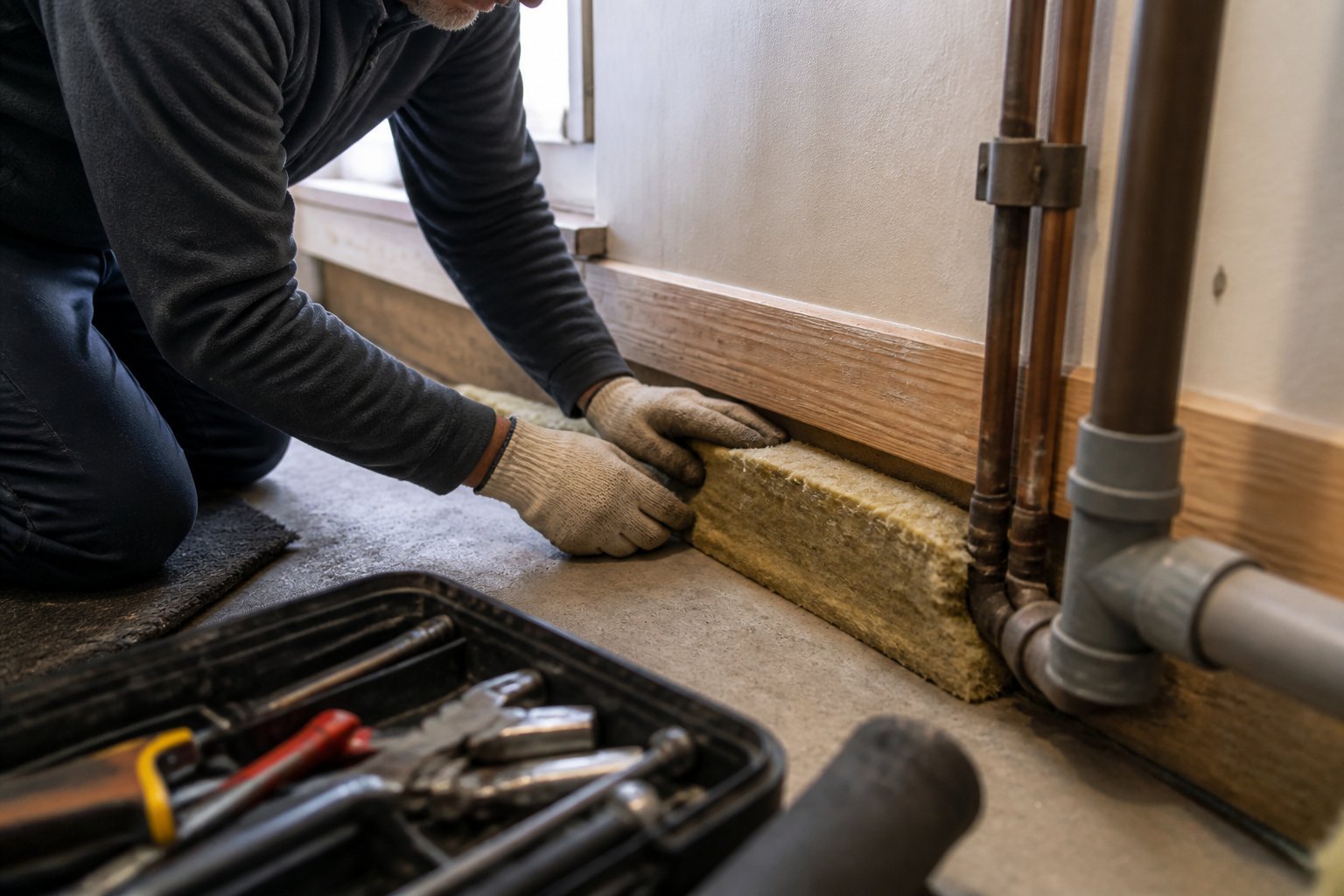
Intent: guide. You’ll stop most freeze risks by insulating the skirting and pipes under your home.
Insulation cuts heat loss and keeps pipe temperatures steadier. For example, closed-cell foam panels block cold air better than loose batts, so pipes near the perimeter stay above freezing.
Don’t forget common mistakes: leaving gaps at vents, using thin skirting only, or not insulating valve and faucet areas. Contractors I’ve seen miss pipe bends and exterior hose bibs, which are where bursts start.
If you have a crawl space, add pipe wrap and seal air leaks where cold drafts enter. Learn more about pipe insulation options and winter tips at this practical guide to pipe insulation methods.
9) Best practice: Use reflective radiant barrier plus foam for mixed climates
Guide: combine a reflective radiant barrier with foam insulation to balance heat reflection and R-value in mixed climates. You get daytime heat control from the reflective layer and year‑round thermal resistance from foam.
Start by installing the radiant barrier on the underside of the skirt or crawlspace walls with a clear air gap. Then add closed‑cell foam board or spray foam against framing for airtightness and moisture control. A common mistake is placing the foil directly against foam with no air gap; that reduces the barrier’s effectiveness.
Think of a summer test: the radiant layer cuts incoming radiant heat, so your floors feel cooler; the foam keeps the space stable overnight. If you worry about moisture, use closed‑cell foam and check vents. Try this combo on one bay first to confirm fit and performance before doing the whole skirt.
10) Best practice: Install perimeter vents with insect screens for airflow control
Guide: show you how to add vents that keep air moving while blocking pests.
Install perimeter vents to let crawlspaces breathe. Fit corrosion-resistant insect screens so mice, rats, and insects can’t get in. Use fine mesh near coastal areas to resist salt and corrosion, like Monel or copper options.
A common mistake is sealing vents without adding screened openings. That traps moisture and can rot joists. I once worked on a house where blocked vents caused mold; adding screened vents fixed it within months.
Place vents low and opposite each other for cross-ventilation. Make sure screens attach securely and allow easy inspection access. If you doubt material choice, consult a pro or check detailed vent options like those for foundation vents.
Thermal Performance in Modern Buildings
This section shows how insulated skirting and foundation sealing change heat flow, reduce cold drafts under floors, and protect plumbing from freeze. You’ll learn what pays back in energy savings and see real retrofit examples that highlight common mistakes and clear wins.
Long-Term Energy Savings
Guide intent: help you estimate savings from adding skirting insulation or sealing foundation vents.
Insulating skirting and sealing vents cuts underfloor air leaks that pull warm air out of the living space. In many manufactured homes, reducing that airflow lowers annual heating use by measurable amounts—often 10–20% in cold climates when combined with proper underfloor insulation and pipe protection. Key factors that affect savings are local climate, the R-value of the insulation you add, and how well you seal gaps and access panels.
Common mistakes to avoid: using non-breathable materials that trap moisture, leaving vents fully sealed in mixed climates, or installing too-thin foam that compresses and loses performance. Use closed-cell foam boards, add a continuous air barrier, and maintain a small vent area where code or moisture risk requires it. Track results by logging monthly energy bills for a year before and after the work.
Case Studies from Recent Retrofits
Guide intent: show practical outcomes from real upgrades so you can pick methods that work.
A 2024 retrofit in a northern region replaced open lattice skirting with insulated vinyl panels and 2-inch foam board behind them. The homeowner insulated exposed plumbing, sealed foundation vents with adjustable flaps, and installed a simple under-skirting vapor barrier. Heating bills fell 18% the first winter; frozen-pipe incidents stopped. A common story: installers skipped sealing the access hatch and saw much smaller gains.
In a mixed-climate retrofit, the team used ventilated skirting with reflective foil facing the crawlspace and removable panels for inspection. That balanced moisture control and thermal gain, cutting energy use by about 8% while avoiding condensation problems. When you plan work, weigh R-value, vapor control, and access needs to avoid wasted effort and costs.
Addressing Misconceptions in Material Selection
You should choose skirting materials that match your climate, budget, and the condition of your home’s plumbing and floor insulation. Focus on thermal performance, moisture control, and ease of installation when weighing options.
Comparing R-Values Across Insulation Types
Guide: help you pick insulation by R-value and real-world performance.
Rigid foam boards (polyiso, XPS, EPS) offer the highest R-value per inch. Polyiso gives about R-6 to R-6.5/inch, XPS around R-5/inch, and EPS roughly R-3.6–R-4/inch. Spray foam (closed-cell) also rates near R-6–R-7/inch and adds air-sealing benefits, but it costs more and needs a professional for an even layer.
Blanket or batt insulation under skirting rarely performs as advertised because it sags and wets easily. Reflective or radiant barriers help in hot climates by cutting radiant heat, but they don’t substitute for conductive R-value in cold zones.
Common mistake: choosing a high-R product without addressing gaps. Even top R-value fails if wind blows under the home. Seal edges, install continuous panels, and match the R-value target to your HUD climate zone. For more on material options and R-targets, see insulated skirting guidance for 2026 (https://www.radiantbarrierusa.com/blog/insulated-skirting-for-mobile-homes).
Vapor Barriers and Moisture Control
Guide: prevent rot, mold, and lost performance with the right vapor strategy.
Your goal is to keep bulk water, ground moisture, and indoor humid air from reaching insulation where it can condense. Use a continuous exterior vapor retarder on the warm side in cold climates; in mixed or hot climates, favor vapor-permeable layers so moisture can dry outward. Closed-cell spray foam acts as both insulation and vapor barrier, which simplifies installs but raises cost.
Install a ground vapor barrier under the skirting area (6-mil polyethylene or heavier) and slope grading away from the foundation to limit ground moisture. Add foundation vents only if local code and climate call for them; when vents exist, insulate and seal vent flaps in winter to stop drafts.
Watch for these mistakes: stapling vapor barriers loosely, leaving gaps at seams, or trapping wet insulation against wood. Fix seams with appropriate tape and use mechanical fasteners and sealants to keep the barrier continuous. For practical sealing techniques and vent guidance, review best practices for skirting and foundation vents (https://hvaclaboratory.com/article/the-best-techniques-for-sealing-and-insulating-skirting-and-foundation-vents/).