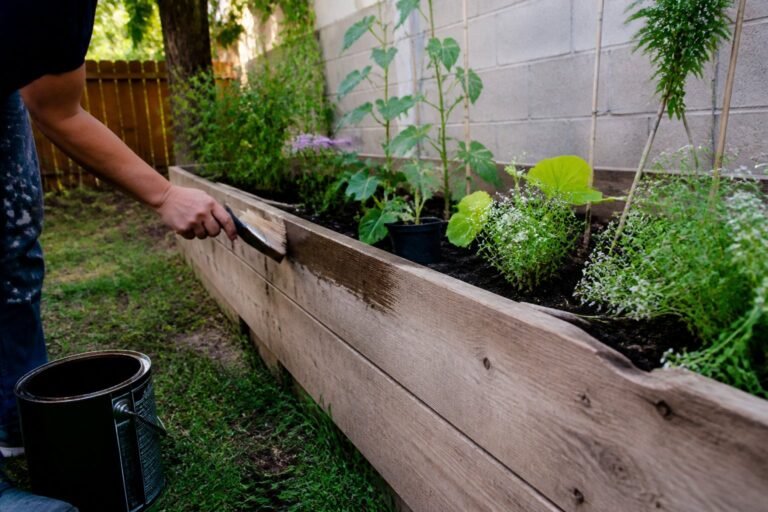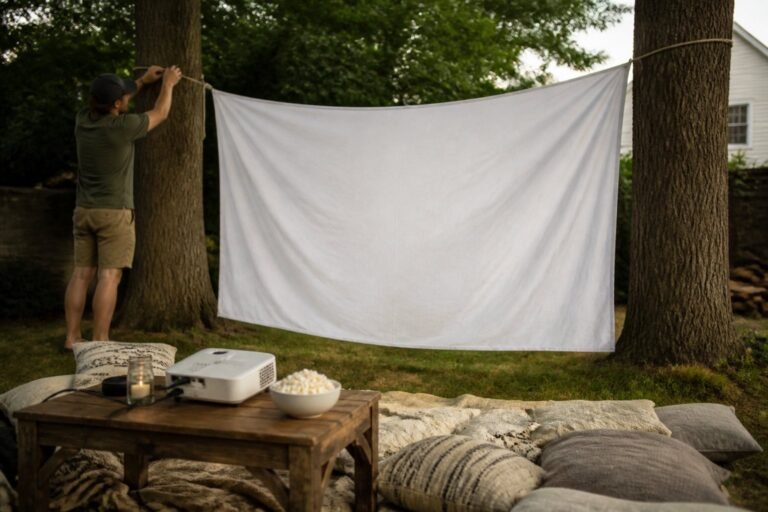
10 Backyard Privacy Ideas That Transform Your Outdoor Space Into a Secluded Oasis
You want your backyard to feel like a private escape, not a stage for neighbors. Whether you crave quiet mornings with coffee or an evening hot tub away from prying eyes, this article shows practical, stylish ways to reclaim your outdoor space. You’ll learn simple options you can install, grow, or order that fit different budgets, yard sizes, and maintenance levels so you can pick the right privacy solution for your life.
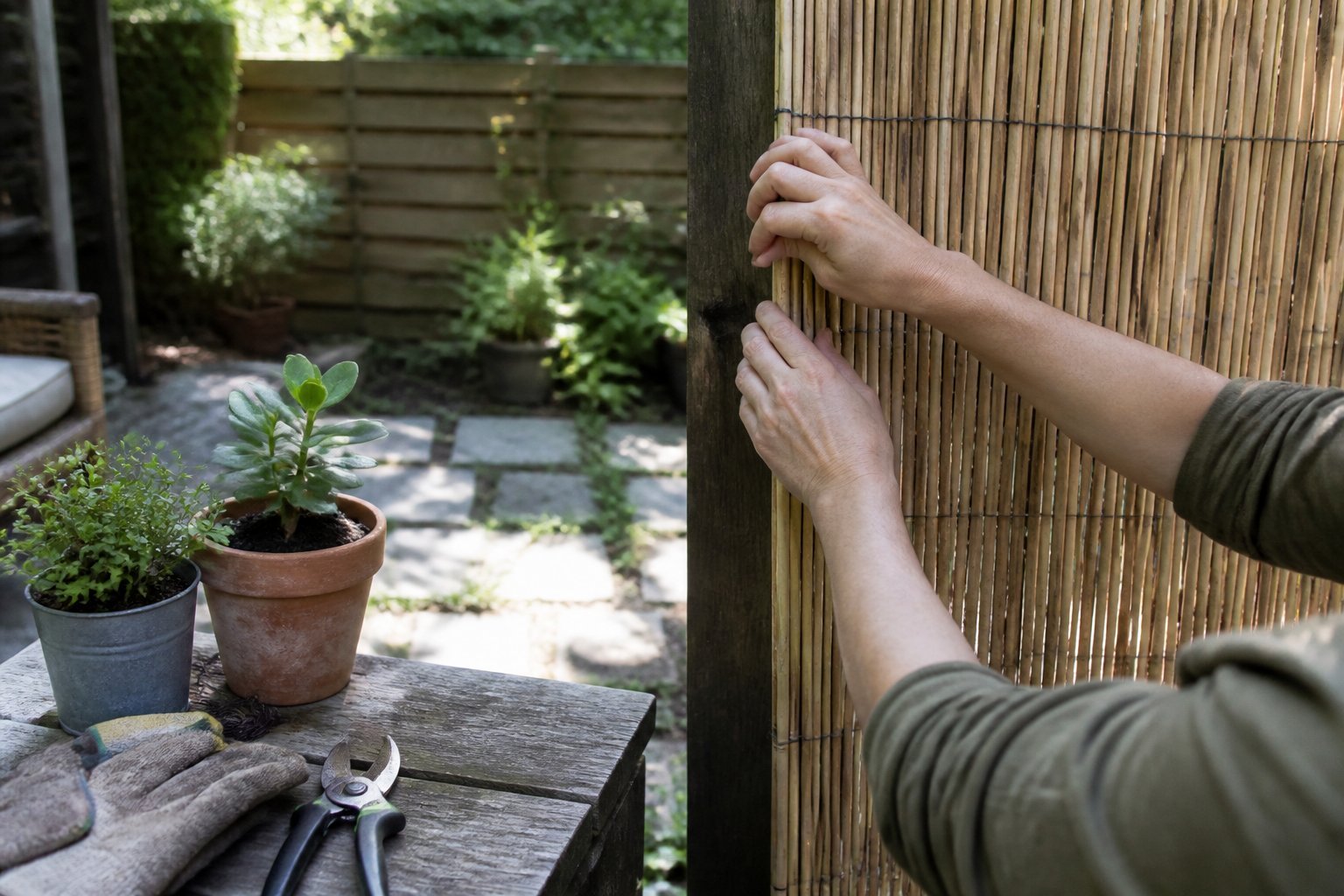
I’ll walk you through solid choices—from living walls and hedges to screens, pergolas, and quick potted solutions—so you avoid common mistakes like overbuilding, blocking light, or choosing high-maintenance plants. Expect clear guidance on design fit, upfront cost, and upkeep so you can plan one project at a time and get privacy that lasts.
1) Tall cedar privacy fence with horizontal slats
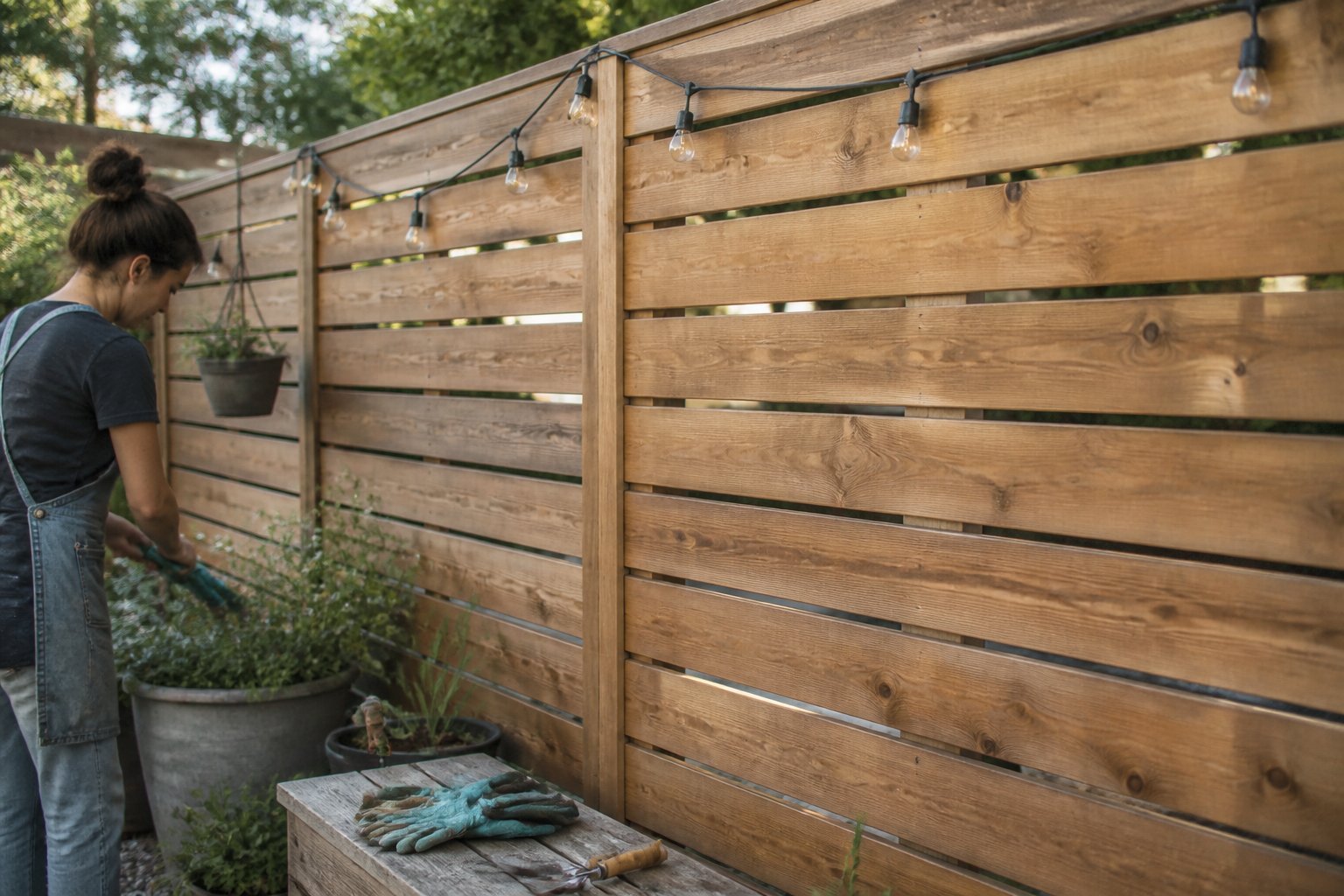
Intent: idea and short how-to. Choose vertical posts set deep and use cedar boards laid horizontally for a clean, modern look. Cedar resists rot and looks warm; plan for 6–8 feet tall panels for real privacy.
Stain or seal soon after install to slow weathering. Space slats tightly for full screening or leave narrow gaps for airflow and light. A common mistake is using untreated fasteners — pick stainless steel to avoid rust stains.
Think about a cap and trim to hide end grain and keep water out. If your yard slopes, step the panels or use a fence that follows the grade. Measure twice, cut once, and test one section before committing to the whole run.
2) Bamboo screening panels (thatch-style reeds)
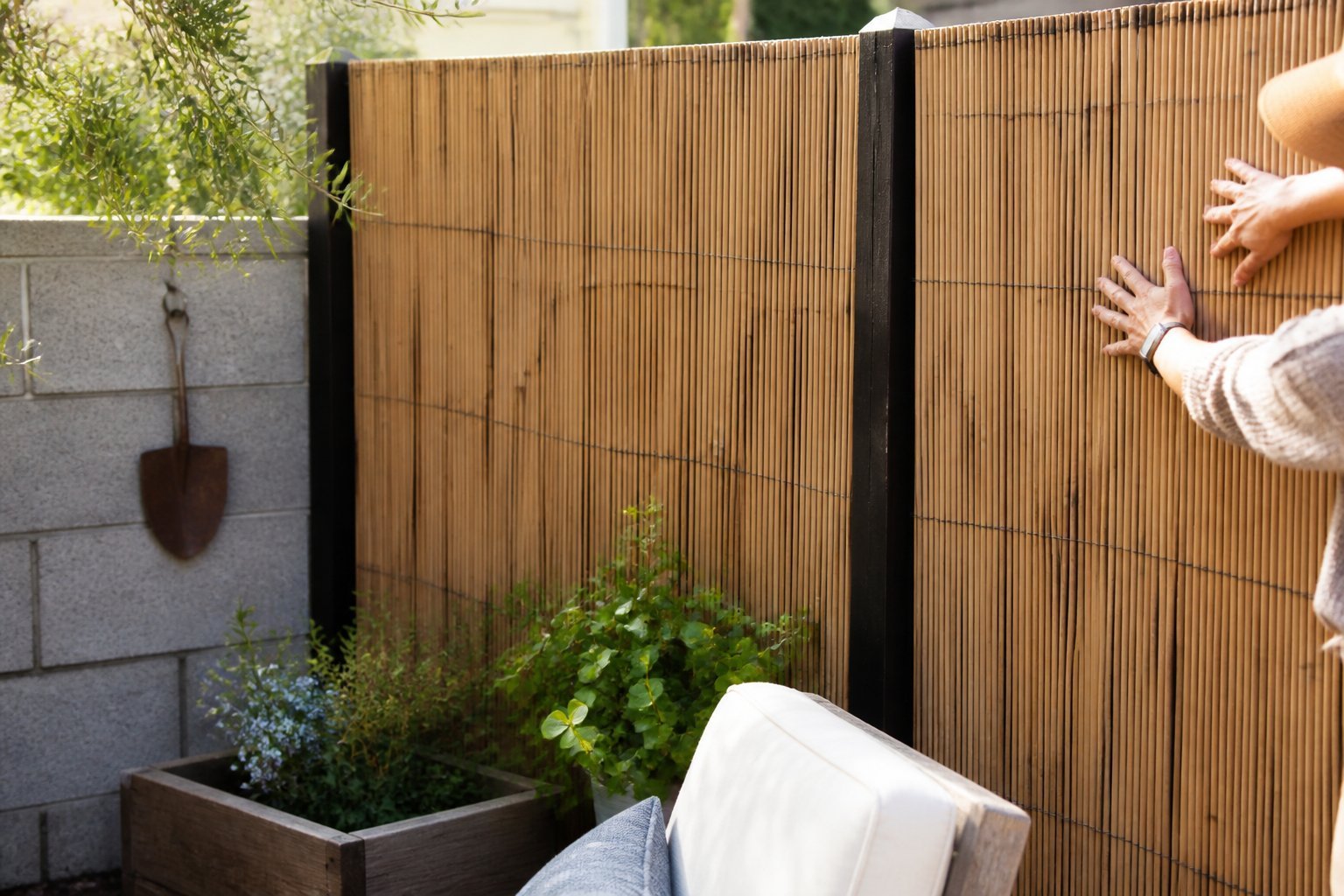
Use bamboo reed panels when you want quick, natural privacy that still feels light. They attach to fences, trellises, or posts and cut sightlines without blocking breeze or light.
Choose tightly woven reed panels for better screening, or open-thatch for a tropical look. Measure twice and overlap panels to stop gaps; a common mistake is underestimating wind load and not securing the top and bottom.
Bamboo panels age naturally; expect color changes and plan for a sealant if you want longer life. Mix in potted shrubs or climbing vines to soften seams and add depth to the screen.
If you need a budget option, rolled bamboo panels cost less than full fences and install fast. Try one section first to test sightline and style before committing to the whole yard.
3) Lattice trellis with climbing jasmine
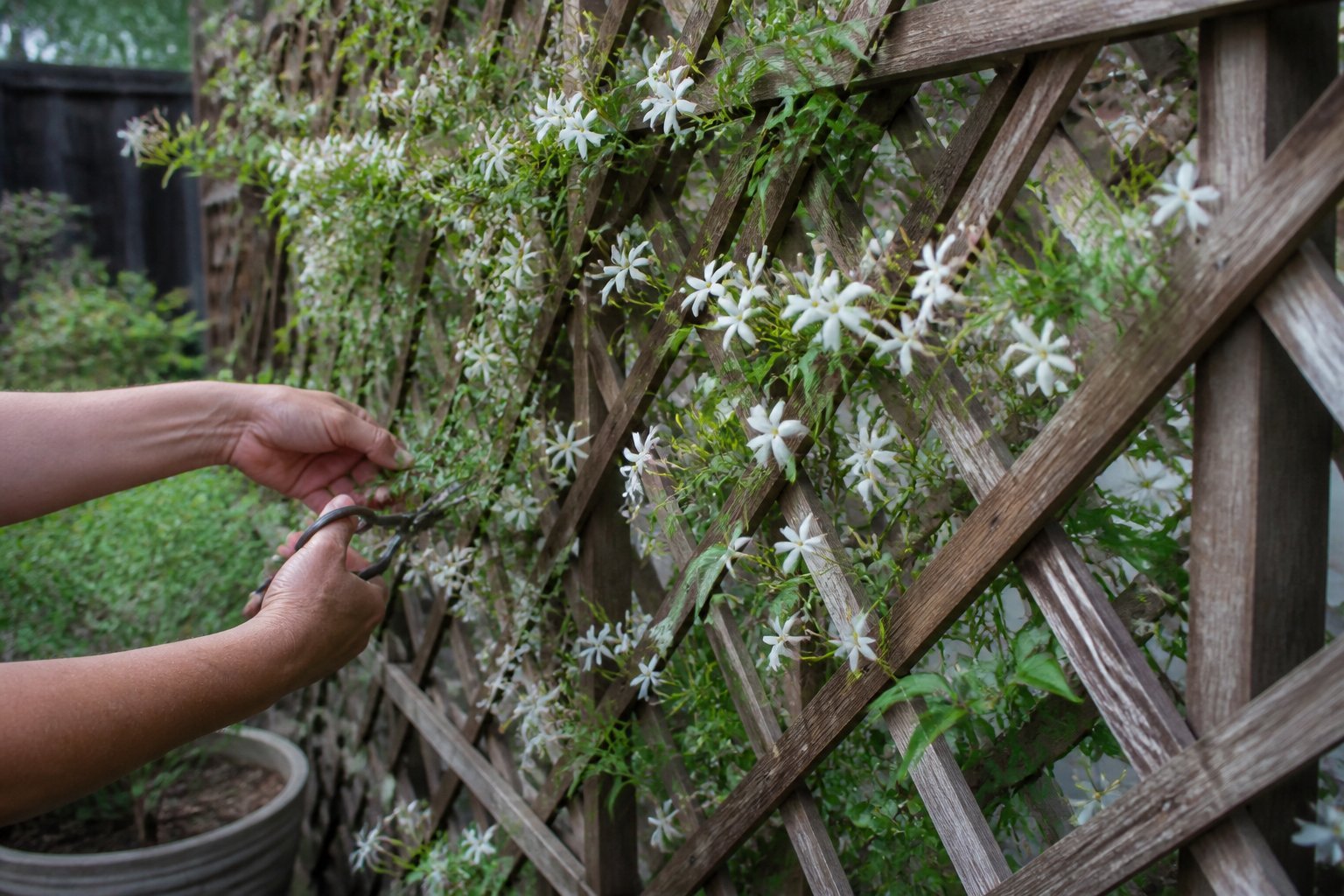
Intent: idea and guide. Use a white lattice trellis to create a fragrant, living screen that adds privacy and charm. Plant jasmine at the base and gently train new shoots along the lattice for quick coverage.
Choose sturdy cedar or vinyl lattice so it holds weight as jasmine thickens. Space plants 3–4 feet apart for even growth. Tie soft garden twine every few inches; avoid wiring that cuts stems. A common mistake is letting jasmine get leggy—prune yearly to keep it dense and fragrant.
If you want a cottage look, paint the lattice soft cream. For a modern vibe, use dark metal with simple square lattice. Expect 1–2 seasons for good coverage; regular watering and morning sun speed progress. Try one panel first to test placement, then expand when you like the scent and shade.
4) Evergreen hedge (Thuja Green Giant row)
Intent: guide. Plant Thuja Green Giant 6–8 feet apart for a dense screen within a few years. This spacing balances fast fill-in and healthy root room.
Start by digging a wide hole and backfill with loosened soil; give each tree a deep first watering. Mulch 2–3 inches to retain moisture and keep weeds down. You’ll see 3–5 feet of growth per year in good conditions.
Common mistake: planting too close and skipping early pruning. Thin gaps now and trim the tops lightly to encourage side branches. If deer are a problem, protect young trunks until they harden.
For more planting tips and spacing guidance, read a practical Thuja Green Giant spacing guide. Try one row first to test light and soil before running a full border.
5) Living green wall with modular planters
Intent: idea and mini-tutorial for a modular living wall you can install and maintain.
A modular green wall gives quick vertical privacy and looks modern. Choose panels with built-in irrigation to avoid daily watering and plant shallow-rooted herbs, ferns, or succulents depending on light.
Start by measuring your fence or wall and trial a small panel to check sun and drip lines. A common mistake is overcrowding plants; give each pocket space to grow to avoid rot and pests.
Mix textures—trailing ivy, feathery ferns, and round succulents—for year-round interest. If a panel fails, swap it without rebuilding the whole wall.
Try one panel this season and expand as you learn what thrives in your spot.
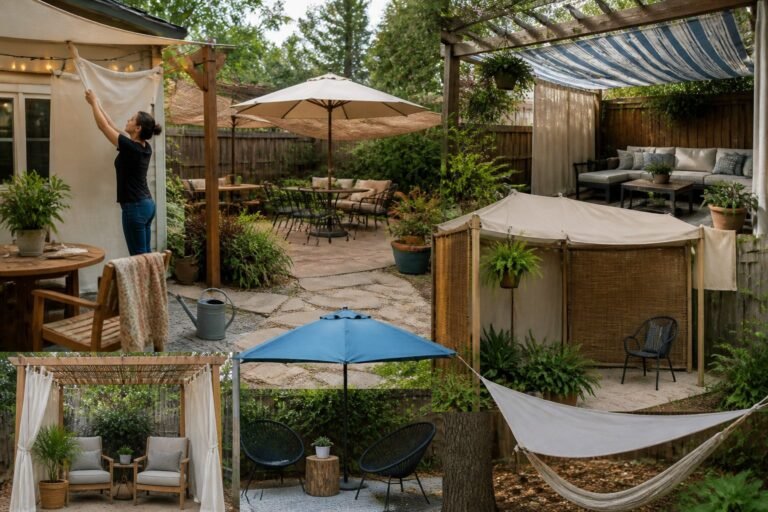
6) Pergola with outdoor privacy curtains
Idea: turn your pergola into a private room with weatherproof curtains. Choose outdoor fabrics like solution-dyed acrylic for color that lasts and resists mildew.
You can mount tracks or use grommeted panels on rods for easy opening. Mix sheer panels for breeze and heavier panels for full privacy; many people hang two layers so you can adjust light and sightlines.
A common mistake is using indoor curtains outdoors — they fade and rot fast. Measure height and width before buying and anchor ties or weights to keep panels from flapping in wind.
If you want a finished look, match curtains to cushions and add simple tiebacks. Try a neutral base and one bold accent panel to lift the space, then test different setups until it feels right.
7) Gabion wall filled with river stone
Intent: idea and guide. A gabion wall with river stone gives strong privacy and a smooth, natural look. You see clean lines and low maintenance once it’s built.
Build the cage from galvanized wire so it resists rust. Stack baskets on a compacted base and tie the seams; sloppy ties cause bulging and gaps. Use large, rounded river stones for a polished face and smaller filler behind to save cost.
Place the wall where it blocks sightlines but keeps airflow and light. Add climbing vines on trellis panels if you want softer edges. Watch for drainage: a trapped water pocket can shift rocks and weaken the wall.
Common mistake: underestimating weight. Calculate stone volume and confirm your ground can bear it. If you’re unsure, consult a pro and then start small to learn the process.
8) Retractable aluminum privacy screen (slatted)
Intent: idea and guide. Use a retractable slatted aluminum screen when you want flexible privacy and clean lines. You pull it closed for seclusion and roll it back when you want an open view.
Pick powder-coated aluminum for weather resistance and low upkeep. Slats let air pass while blocking sightlines; choose spacing that balances light with privacy. A common mistake is ordering slats too wide — you’ll lose privacy at eye level.
Install on a pergola or wall-mounted track for smooth operation. Test the retract mechanism before final mounting; misaligned tracks will bind and shorten the product’s life. For style, match the finish to your trim or pick a contrasting dark color for a modern look.
If you want ready-made options, explore retractable slatted screens from specialty retailers to compare sizes and hardware. Try one on a small section first to see how it fits your routine.
9) Row of potted eucalyptus for quick screening
Intent: idea — use potted eucalyptus to block sightlines fast and flexibly.
Line up large pots with silver dollar or lemon-scented eucalyptus to create a tall, fragrant screen. You get quick height without digging, and you can move plants if you change your layout.
Choose sturdy containers with good drainage and a wind break if your yard is exposed. Water more often in pots; eucalyptus in containers can dry out faster than in the ground.
A common mistake is crowding pots too close; give each tree room so lower leaves don’t die off. If space is tight, alternate sizes to keep light and airflow while still blocking views.
For care, prune a little each year to keep shape and stop legginess. Try this near a patio for shade and scent—give it a month to settle, then adjust placement as needed.
10) Raised planter boxes with bamboo
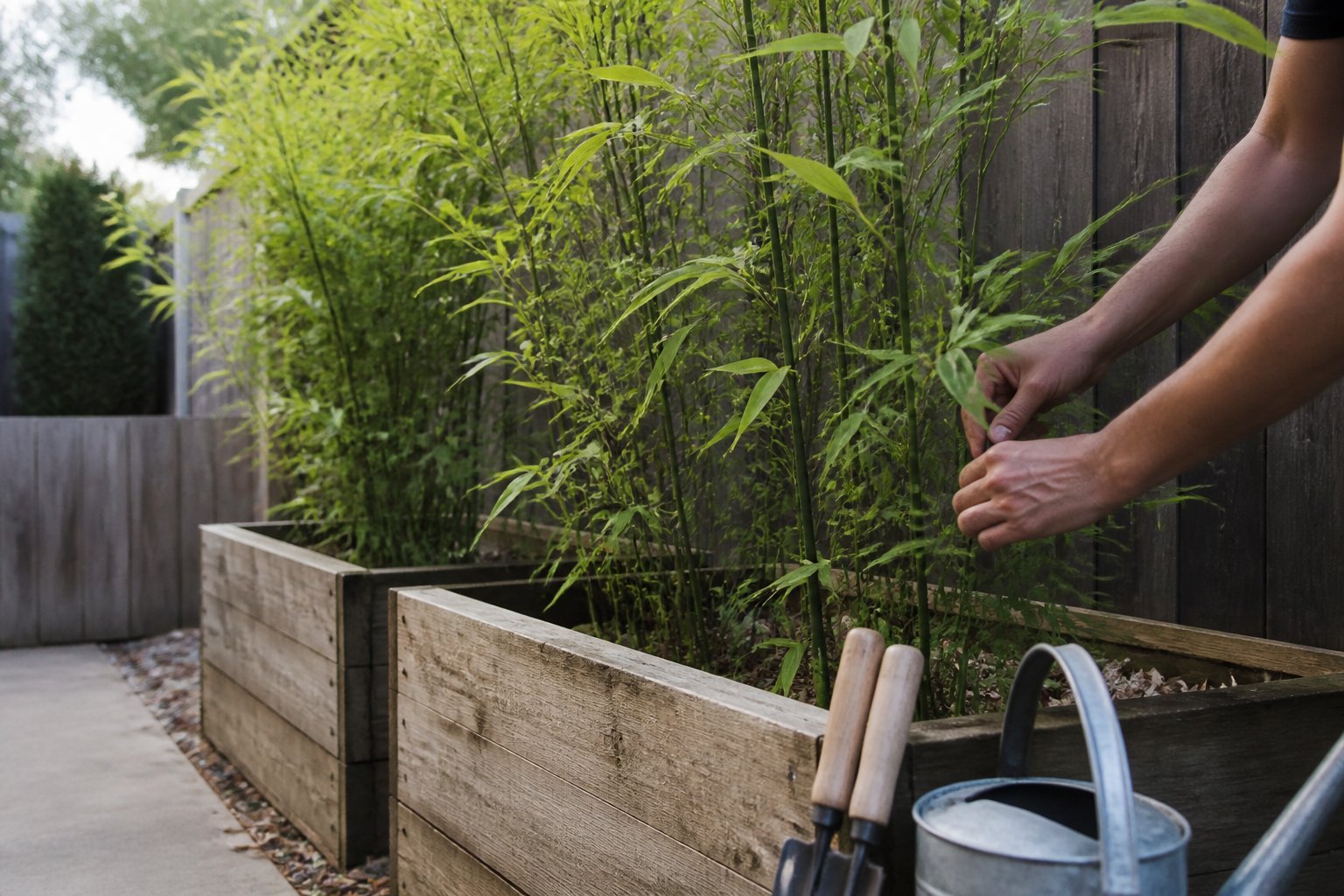
Intent: idea — Use raised planter boxes to create a tidy, controlled bamboo screen for privacy.
Build boxes at least 18–24 inches deep to give clumping bamboo enough root room. Line the base with heavy-duty landscape fabric and add drainage holes so water won’t pool and rot rhizomes. Choose clumping varieties to avoid invasive spread; they stay contained and neighbor-friendly.
Plant bamboo in groups, spacing canes 12–24 inches apart depending on species. Add compost-rich soil and mulch to retain moisture. A common mistake is using shallow or flimsy boxes that tip or let roots escape—use sturdy wood, composite, or concrete.
You can wheel narrow troughs onto patios or anchor long boxes along fences for instant green walls. Check for wind gaps and trim lower leaves to keep the screen dense. Try pairing bamboo with narrow evergreens for year-round coverage and low maintenance.
Design Considerations for Outdoor Privacy
Decide what you need to block, how much light you want to keep, and how much maintenance you can handle. Think about sightlines, property lines, and how the solution will look with your house.
Assessing Your Space and Needs
Guide: practical planning to match privacy solutions to your yard.
Start by mapping the yard. Note fence lines, windows, patios, and neighbors’ sightlines. Measure heights where privacy is needed — for example, 6–8 feet behind a patio versus 3–4 feet around a flowerbed. Mark sunny and shady spots so you pick plants that will thrive.
List your priorities: sound reduction, visual screening, wind blocking, or a mix. If noise is the issue, dense evergreen hedges or a masonry wall work best. If you want flexible shading, choose pergolas with curtains or retractable screens. Budget and maintenance matter: fast-growing hedges need trimming; composite screens cost more but last longer.
Common mistake: picking a tall solution without checking local fence rules. Check setbacks, permit rules, and neighbor agreements before you build.
Integrating With Existing Landscaping
Guide: blend new privacy features so the yard feels intentional, not tacked-on.
Work with what you already have. Use existing trees as anchors for trellises or string lights. Plant layered greenery (low shrubs, mid-height perennials, tall evergreens) to create depth and seasonal interest. For small yards, choose narrow columnar trees like Italian cypress or espaliered fruit trees to save space.
Match materials to your home: a modern house pairs well with horizontal slat fences in dark stain; a cottage style fits picket-like lattice with climbing roses. Think about irrigation and root space so new plantings don’t compete with old trees. A quick test: stand where you want privacy, then add a temporary screen (fabric or plywood) to see how it looks at different times of day.
Avoid planting invasive species or placing large roots near foundations. If you need help, consult a local landscaper to create a plan that meets codes and keeps your yard balanced.
Maintenance and Longevity of Privacy Solutions
You’ll focus on materials that resist rot, rust, and UV damage, and keep a seasonal checklist to spot small problems before they grow. Regular cleaning, fast repairs, and the right finishes extend life and save money.
Choosing Durable Materials
Guide: pick materials that match your climate and how much time you want to spend on upkeep.
Wood looks great but needs yearly sealing or staining and quick repair of cracks. Cedar and redwood resist insects and decay better than pine. For near pools or salty air, choose pressure-treated lumber or tropical hardwoods that handle moisture. Vinyl and composite panels require almost no sealing and only need a hose-down and occasional soap wash. Metal—galvanized steel or aluminum—gives decades of strength; just check welds and touch up paint where chips appear to stop rust. Bamboo and living hedges can be beautiful, but expect faster decay for bamboo and trimming and disease management for hedges. Match material choice to your budget, weather, and how often you’ll do maintenance to avoid early replacements.
Seasonal Upkeep Tips
Guide: follow a simple seasonal routine to catch problems early and keep fences, screens, and plants healthy.
Spring: pressure-wash vinyl/composite, inspect posts and hardware, re-stain wood if water no longer beads, and prune hedges before new growth. Summer: tighten fasteners, clear debris from gaps, and check for insect or fungal activity on plants and wood. Fall: remove leaves, treat exposed wood, and lower irrigation to prevent winter freeze damage. Winter: brace loose panels, cover delicate fabric screens, and check metal for chipped paint after storms. Always keep a small repair kit—screws, sealant, touch-up paint—and record repairs so you don’t repeat the same fix. If you prefer a hands-off approach, choose low-maintenance materials listed above and schedule a yearly pro inspection.