10 Stunning Front Yard Vegetable Gardens to Boost Curb Appeal Instantly
You can turn your front yard into a beautiful, useful space without losing curb appeal. Many people worry their yard will look messy or unkempt, but thoughtful design makes a productive vegetable garden look intentional and stylish. You’ll learn simple, practical ways to blend edible plants with classic landscaping so your home looks cared-for and yields fresh food.
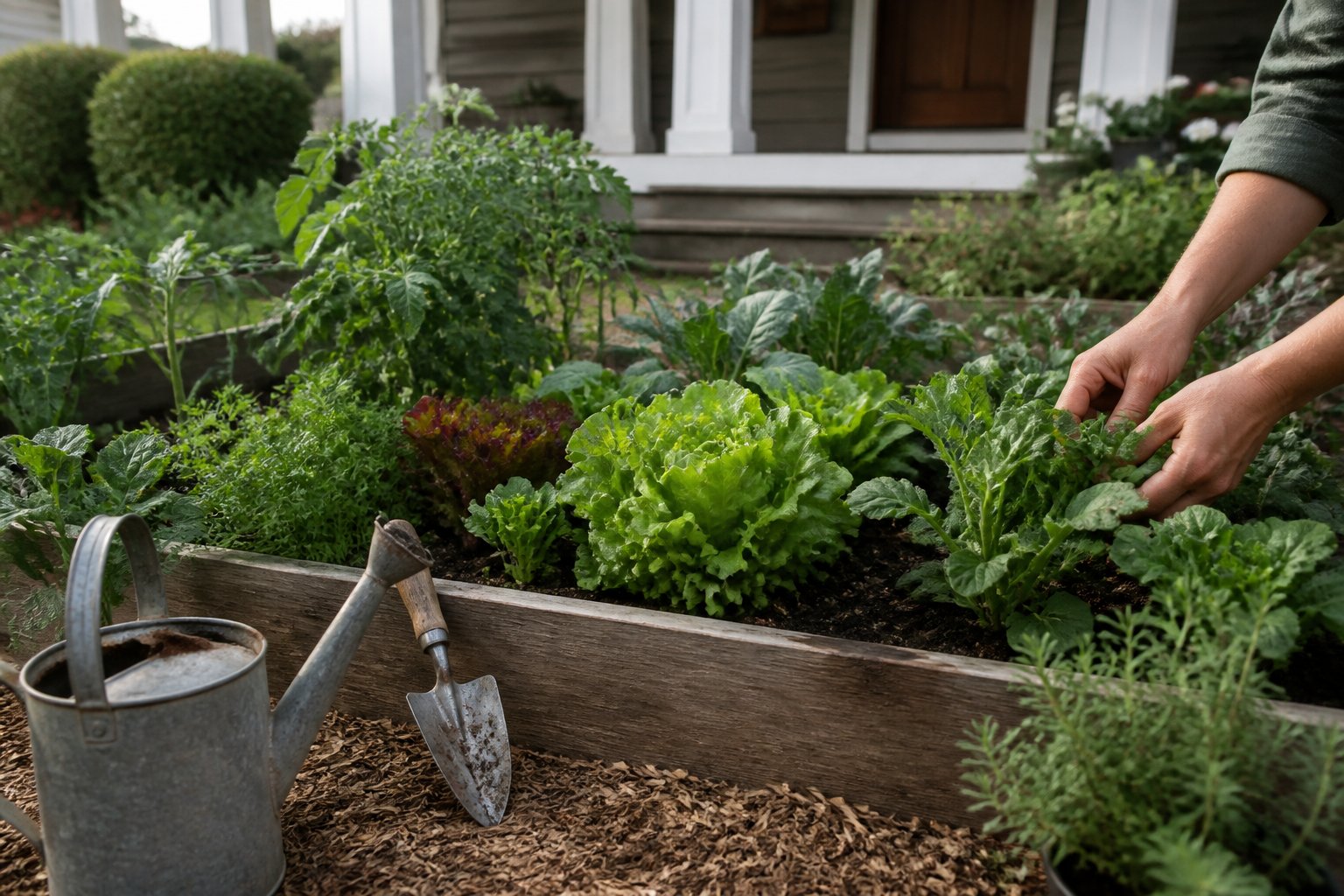
Picture walking up to a home where tidy raised beds, flowering edges, and clever containers welcome you—neighbors will ask how you did it. This article shows ideas, common mistakes to avoid, and quick maintenance tips so you can plan a front-yard garden that stays attractive year after year.
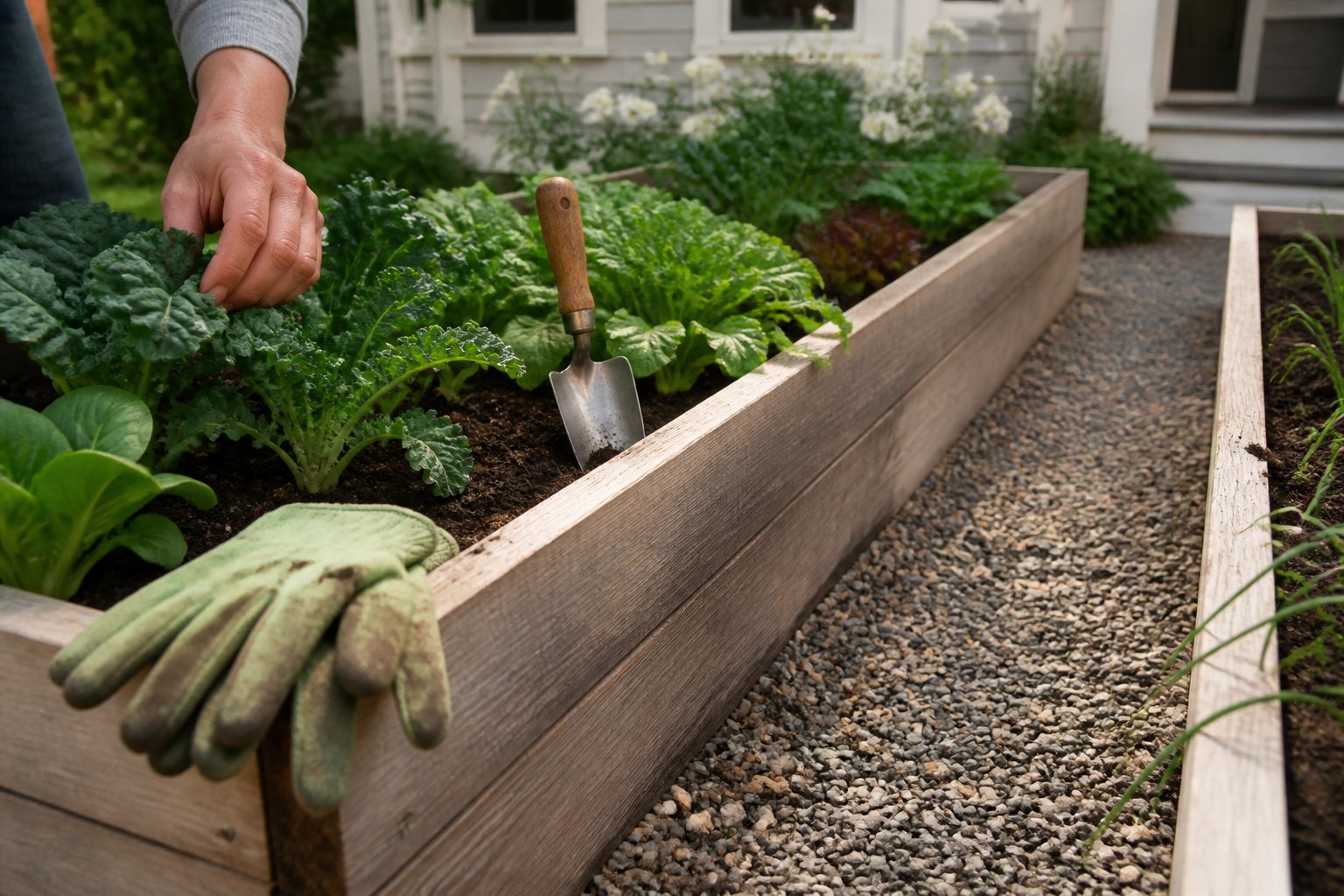
1) Raised cedar vegetable beds framed with gravel pathways
Intent: design guide.
You’ll get a tidy, long-lasting front yard layout with cedar beds and gravel paths. Cedar resists rot and looks warm next to green vegetables, while gravel keeps weeds down and sheds water fast.
Build beds 1–2 feet high so you can reach plants easily. Use sturdy corners and line the bottom with landscape fabric if drainage is poor; many gardeners prefer 4×8 or 4×6 beds for easy access.
Plant taller crops like beans at the back and low herbs at the front to keep a neat view. A common mistake is narrow paths—aim for about 2 feet so you can carry a wheelbarrow and avoid stepping on soil.
Try mixing round river rock or crushed gravel for contrast and easier walking. If you want curb appeal, edge the beds with matching cedar and add a simple trellis to draw the eye.
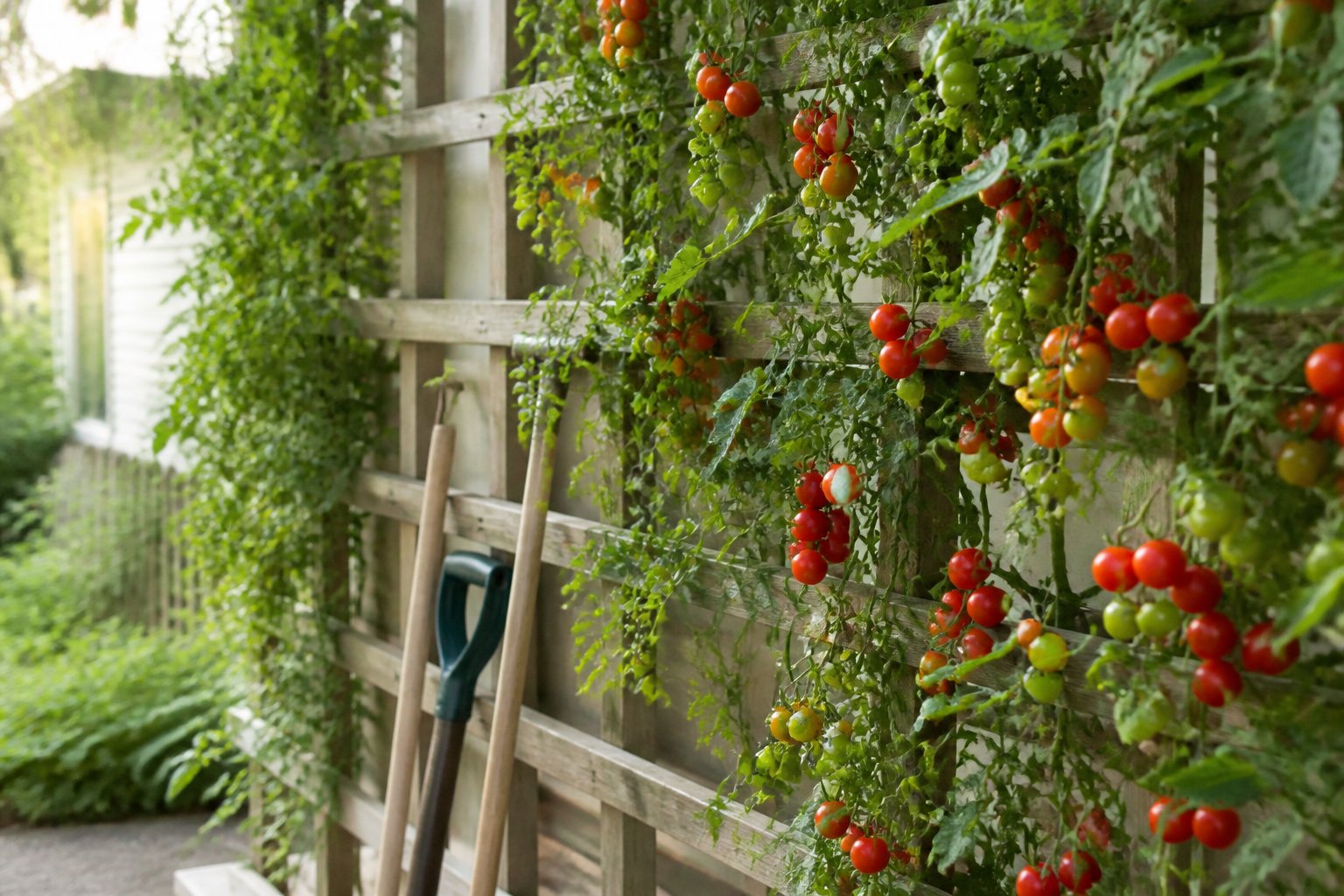
2) Vertical trellis wall with overflowing cherry tomato vines
Intent: idea and mini tutorial to build a living screen that adds color and food.
A tall trellis wall gives your front yard structure and instant charm. Plant cherry tomatoes at the base and train side shoots up strings or lattices for a cascade of fruit and foliage.
Use sturdy posts and weatherproof mesh so vines won’t pull the frame apart. Space plants 18–24 inches apart and tie stems gently; tomatoes need regular pruning to avoid crowding and disease. A common mistake is letting lower leaves touch soil — mulch and a small gravel strip help keep foliage dry.
Choose early-ripe cherry varieties for steady color all season. Add drip irrigation at the root line to prevent blossom drop. Try one wall as a focal point near the path and taste a fresh snack while you greet guests.
See a range of trellis designs for more ideas at 23 Juicy Tomato Trellis Garden Ideas for Abundant Harvests (https://homeisd.com/tomato-trellis-gardens/).
3) Edible border of dwarf fruit trees (columnar apple, espalier pear)
Guide: plant a narrow, productive border that reads like a hedge and gives fruit.
Choose columnar apples and espalier pears on dwarf rootstock for tight spacing and easy pruning. You’ll gain height and shape without a wide canopy crowding your lawn.
Plant 3–4 feet apart with a simple wire or trellis for support. Train young shoots each spring; tie new growth gently and remove inward branches. A common mistake is letting vigorous suckers go unchecked—they steal energy and ruin the form.
Use mulch and a slow-release balanced fertilizer the first two seasons to establish roots. You’ll get flowers, tidy lines, and small harvests that boost curb appeal and invite neighbors to ask questions.
4) Mixed perennial herb spiral near the entry (rosemary, thyme, sage)
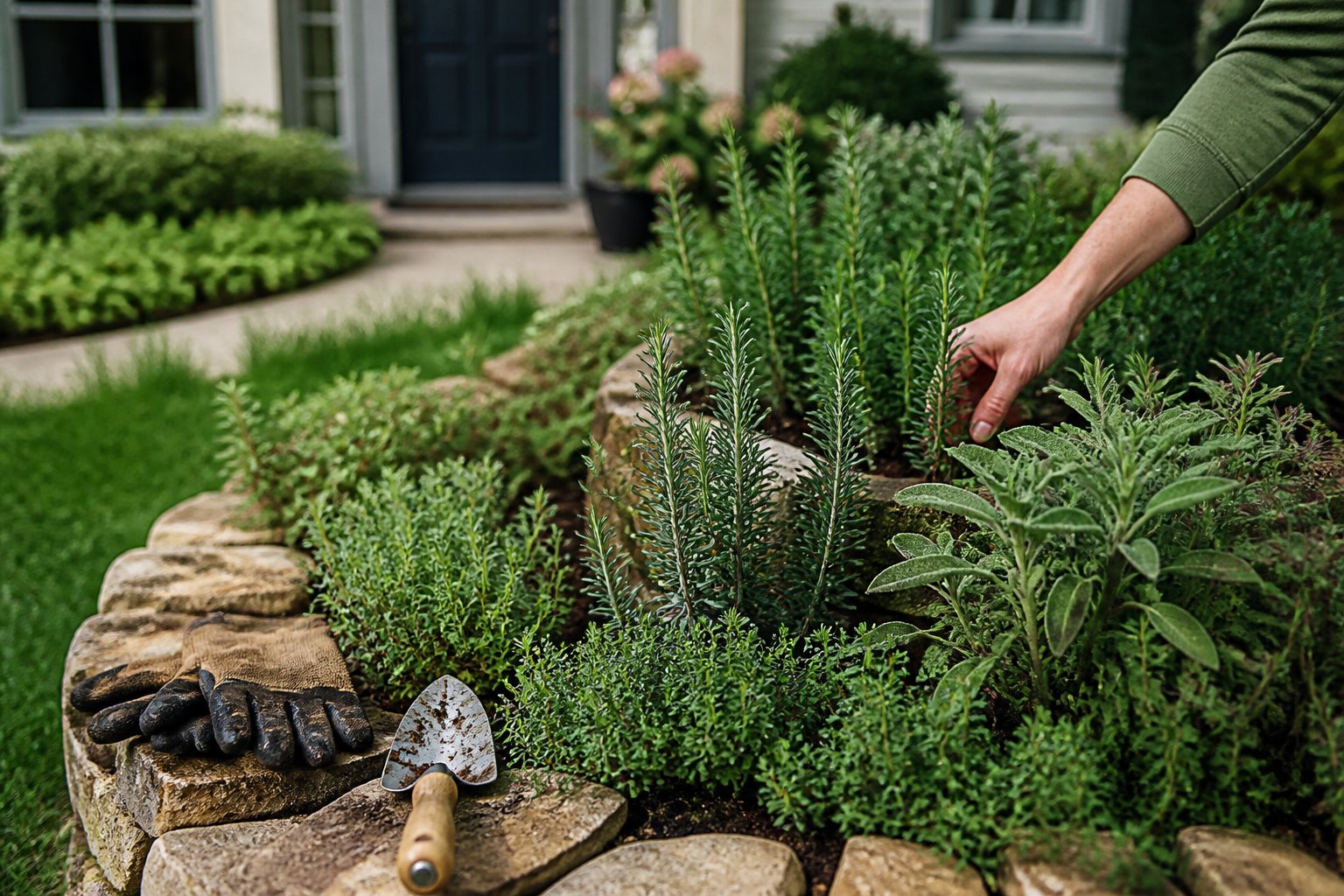
Make this a tidy tutorial for a low-maintenance focal point at your door. Build the spiral so the top stays dry for rosemary and thyme, while inner tiers hold more moisture for sage.
Plant rosemary at the highest, sunniest curve; it anchors the look and smells great when brushed. Add thyme on the sunny edges where it can trail, and place sage lower down where soil stays a bit cooler.
Avoid overwatering—herbs hate soggy roots. A common mistake is packing the spiral too flat; build height for distinct microclimates. Mulch lightly to keep weeds down but leave stems clear.
Place the spiral within arm’s reach of the kitchen for easy snips. Try a small stone border for neatness and to show visitors you planned this garden with care.
5) Color-blocked annual vegetable beds (red chard, purple basil, golden zucchini)
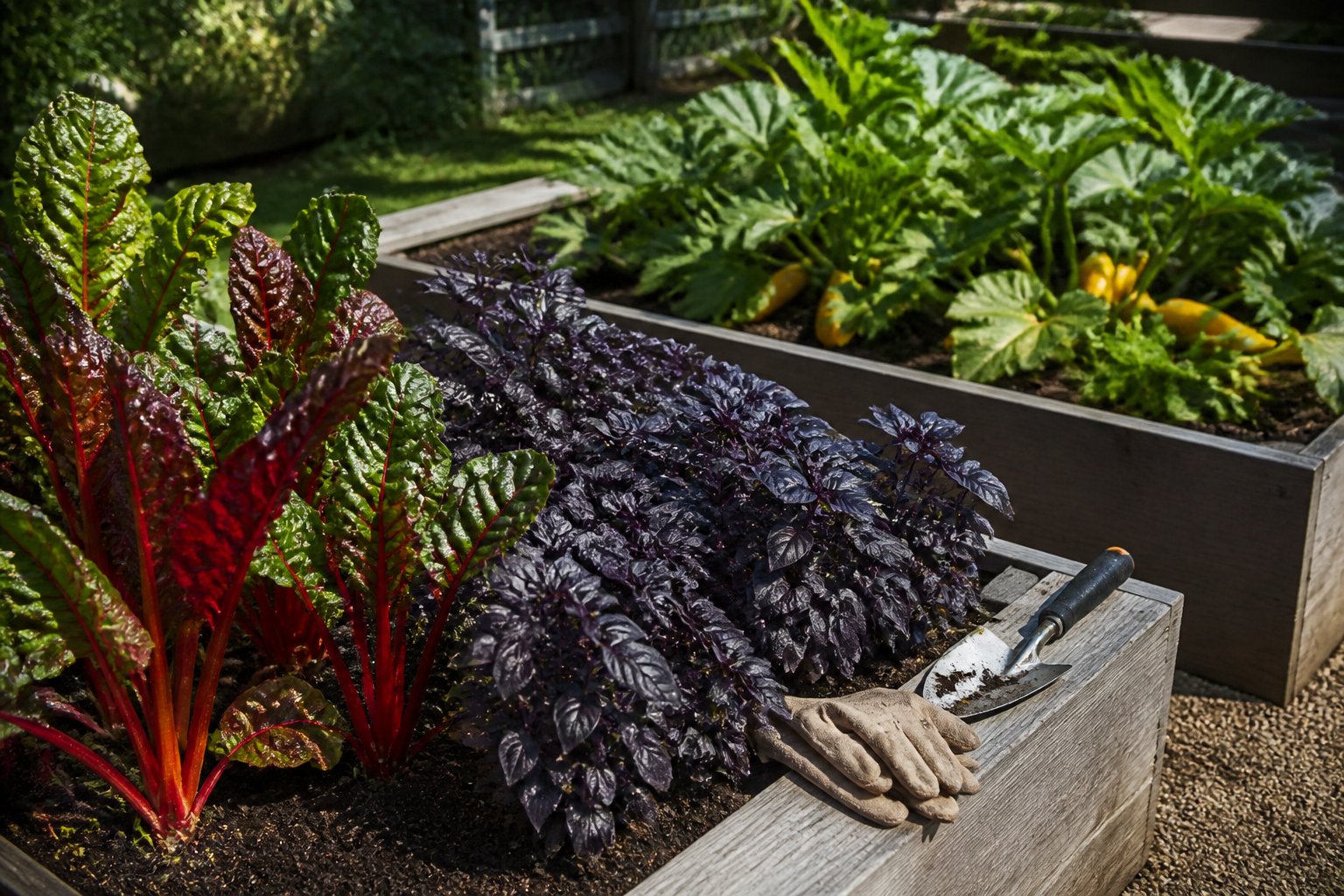
Intent: idea — show how to use bright annuals to make a bold, edible front-yard display.
Plant blocks of one color to create instant impact. Line a bed with red chard, then a swath of purple basil, and finish with golden zucchini for height and shine. The contrast draws eyes and still gives you regular harvests.
Space plants so each color reads from the sidewalk; avoid crowding or the pattern will blur. A common mistake is planting too many varieties in one bed — keep it to three or four strong colors for clarity. Mulch and drip irrigation keep beds tidy and reduce watering chores.
Try swapping in rainbow chard or yellow tomatoes for season-long interest. Walk the bed weekly; pinching spent blooms and harvesting often keeps the color blocks crisp and productive.
6) Symmetrical raised beds flanking the walkway with low boxwood edging
This idea is a practical guide to give your front path instant polish. Plant two raised beds on either side of the walk, matching length and height so the view feels balanced from the street.
Use low boxwood edging to frame each bed; it creates a neat border and a year-round green line. Trim the boxwood to 6–12 inches for a formal look and avoid over-pruning in late summer.
Fill beds with a mix of vegetables and low flowers—lettuce, snap peas, and marigolds work well together. A common mistake is crowding plants; leave space for growth and easy harvesting.
If your walk is narrow, keep beds shallow and choose compact varieties. Walk the path after planting and adjust spacing until it feels inviting and usable.
7) Container cluster on the porch (pepper, lettuce, compact eggplant)
Intent: practical how-to. You can make a small porch look lush and productive with a tight cluster of containers. Use three to five pots of varying heights: a tall one for compact eggplant, medium for peppers, and shallow wide pots for lettuce.
Place pots so taller plants don’t shade the salad greens. Use good potting mix and feed regularly with a balanced liquid fertilizer; peppers and eggplant need steady nutrients.
Choose compact varieties like patio eggplant and bush peppers to avoid crowding. A common mistake is overwatering—let tops dry a bit between drinks and check drainage holes.
Arrange pots close for a full look but leave room to harvest. Try mixing a trailing herb in a hanging basket for color and scent to welcome guests.
8) Succession-planted curbside strip with snap peas, lettuce, and radishes
Intent: practical tutorial to keep a narrow curbside strip productive and tidy.
Plant snap peas on a trellis at the back, quick radishes in front, and stagger lettuce between for continuous harvest. Sow radishes every 10–14 days; direct-seed lettuce in small blocks; start peas once soil warms.
Space beds in 3–4 week intervals so one crop replaces another. A common mistake is crowding seedlings—thin early to prevent bolting and mildew. Water deeply in the morning and mulch thinly to reduce splash and weeds.
Pick peas when pods are plump but still tender; harvest lettuce outer leaves to extend the patch’s life. If deer or dogs visit, add a low wire edge or quick netting until plants are established.
Try one 10-foot strip this season and note timing in a notebook for next year’s schedule.
9) Native pollinator-friendly vegetable beds (sunflowers, squash, beans)
Intent: guide you to plant a small, pollinator-ready vegetable bed that looks tidy and blooms reliably.
Plant tall sunflowers at the back to catch the eye and bring bees close to your veggies. Sow squash in mounded soil to keep fruit off wet ground; their large flowers are pollinator magnets. Interplant bush or pole beans to fill gaps and add vertical interest.
Start with native varieties where possible; they suit local bees and need less care. A common mistake is spacing plants too tightly—crowding reduces airflow and invites disease. Water deeply at the base, not daily light sprays, to encourage strong roots.
If you want guidance specific to your region, use regional planting lists like the Xerces Society’s pollinator-friendly plant lists to pick the best natives for your area.
10) Reclaimed-wood planter boxes with integrated drip irrigation
Intent: idea and how-to. Use reclaimed wood boxes to give your front yard warmth and character while saving water with drip lines.
You can build or buy a reclaimed-wood box and fit a simple drip system that runs to each plant. Cedar or barnwood resists rot; line the inside with landscape fabric to protect the wood and keep soil in place.
Place emitters 6–12 inches apart along the drip line for vegetables and herbs. A common mistake is over-pressurizing the line—add a pressure regulator and filter to avoid clogged emitters.
For shopping, check handcrafted reclaimed planters for size ideas and styles. Using drip irrigation cuts watering time and keeps roots evenly moist. Try one box as a test bed, then scale up when you like the results.
Key Design Principles for Vegetable Front Yards
These design rules help you blend beauty with harvestable crops, save space, and make maintenance simple. Focus on visual balance, smart plant placement, and edging that reads like a planted pathway.
Balancing Aesthetics and Functionality
Intent: design guide.
Decide how your garden will look from the street before you plant. Choose two or three repeat colors and textures—such as dark-leaved kale, silver lamb’s ear, and bright cherry tomatoes—to create a cohesive curb-facing palette. Place taller plants like trellised peas or sunflowers at the back or along a fence so they don’t block sight lines to windows or walkways.
Use structure to stay tidy. Raised beds, low hedges, and gravel paths give clean lines that neighborhoods expect while keeping soil and tools contained. A common mistake is overplanting with different heights and leaf shapes; that creates chaos. Instead, group plants by form and prune regularly to keep the intended silhouette.
Think about year-round interest. Add evergreen herbs or compact fruiting shrubs to avoid bare winter beds.
Optimizing Plant Spacing
Intent: planting tutorial.
Follow package spacing, then add 10–20% extra room for front-yard airflow and a neater look. Crowding invites disease and reduces visual clarity from the street. For example, space lettuce 8–10 inches apart, bush beans 4–6 inches, and determinate tomatoes 18–24 inches.
Use companion groups to save space: plant low carrots or onions beneath taller, sun-loving peppers. Layer vertically with trellises for vining crops to double productivity without widening beds. Water access matters—ensure every plant lies within 3–4 feet of a hose or irrigation line to avoid dragging hoses across your lawn.
Avoid monotonous rows; stagger plants in a triangle pattern for better light and a cleaner curb appeal. A frequent error is planting seedlings too deep—keep crowns visible for faster, healthier growth.
Incorporating Edible Borders
Intent: design idea.
Turn your property edge into a productive frame by planting low, ornamental edibles that define paths and beds. Use herbs like thyme, chives, and rosemary or compact lettuces and strawberries as living borders. These plants look tidy, smell good, and offer quick harvests.
Build borders about 6–12 inches high with stone, wood, or recycled brick to keep soil from spilling onto sidewalks. Plant in a repeating rhythm—three thyme plants every 3 feet, for example—to read as intentional landscaping rather than a vegetable plot. Avoid tall crops at the curb; they can block sightlines and upset neighborhood aesthetics.
Add small labels or a single decorative stake to signal that the border is meant to be both edible and ornamental. Try one new border plant each season to learn what thrives in your microclimate.
Best Practices for Maintenance and Longevity
Keep beds tidy, water smart, feed when plants need it, and inspect plants weekly for stress or pests. Small, regular tasks prevent big problems and keep your front-yard garden attractive year after year.
Seasonal Care Strategies
Guide: a practical care plan you can follow each season.
In spring, amend soil with 2–3 inches of compost and test pH. Plant cool-season crops first and set up temporary row covers for late frosts. Mulch 2–3 inches around seedlings to retain moisture and suppress weeds.
In summer, water deeply twice a week rather than light daily sprays; aim for 1–1.5 inches per week, more in heat waves. Shade young tomatoes during hot afternoons with shade cloth to prevent blossom drop. Pinch back long vines on vining beans to keep beds tidy.
In fall, pull spent plants and add them to the compost pile if disease-free. Sow a cover crop like clover or oats to protect soil and add nitrogen. Before winter, top up mulch and move container plants to a frost-safe spot.
Common mistake: skipping seasonal soil tests—nutrient imbalances quietly reduce yields.
Managing Pests and Diseases
Guide: spot problems early, use targeted fixes, and prioritize plant health.
Inspect plants at least once a week for holes, yellowing, or sticky leaves. Hand-remove larger pests like beetles and caterpillars. Use insecticidal soap or neem oil for soft-bodied pests; apply in the evening to protect pollinators.
Rotate crops each year to prevent soil-borne diseases. When you spot fungal issues, remove infected leaves immediately and improve air flow by thinning crowded plants. For persistent problems, solarize small beds in summer by covering soil with clear plastic for 4–6 weeks to reduce pathogens.
Encourage beneficials: plant marigolds, dill, or borage to attract predatory insects. Avoid broad-spectrum pesticides that kill helpful bugs. If you use chemicals, follow label rates exactly to prevent resistance and crop damage.